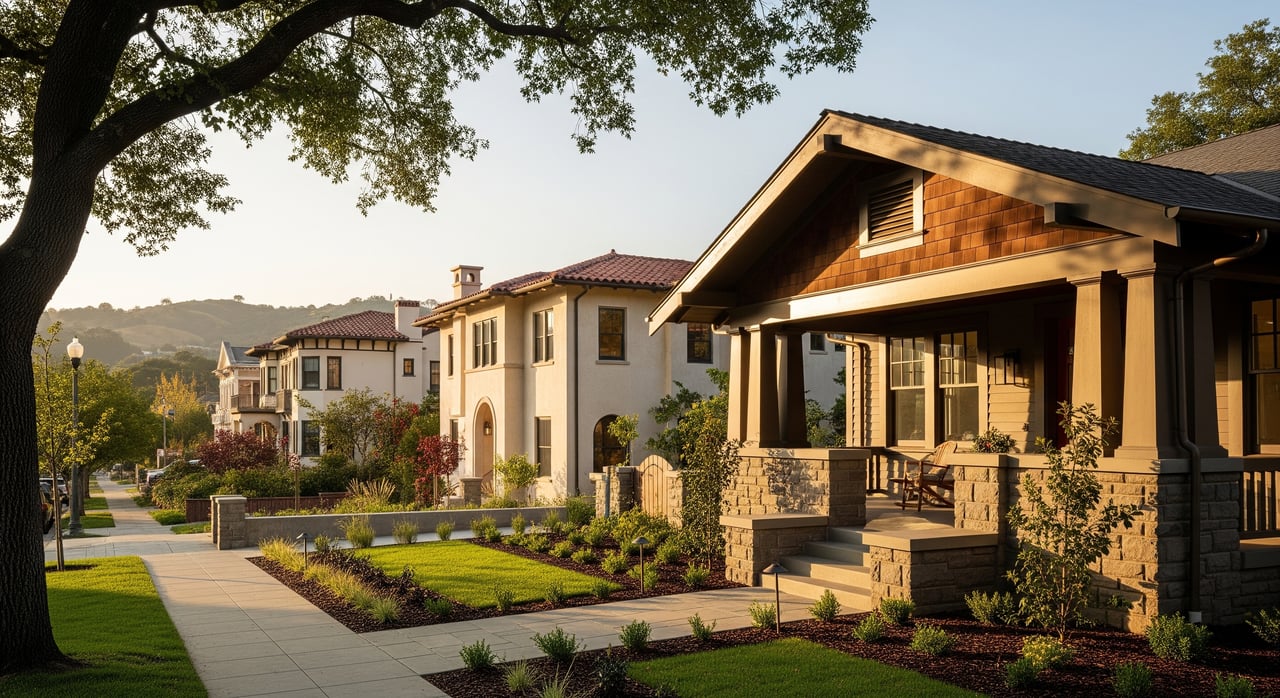
Choosing where to live in Pleasanton can feel like a puzzle. You want the right mix of commute access, schools, parks, and a home that fits your style. This guide gives you a clear, practical look at Pleasanton’s major neighborhoods, the home styles you will see, and the key checks to make before you buy. Let’s dive in.
Pleasanton at a glance
Pleasanton sits in the Tri‑Valley in Alameda County, with I‑680 running north to south and I‑580 connecting just to the north near Dublin. Many commuters use the Dublin/Pleasanton BART station for Bay Area connections. The city blends a compact, walkable downtown with quiet suburban streets and scenic open space along Pleasanton Ridge. You get a mix of convenience, neighborhood parks, and access to regional trails.
Neighborhoods explained
Downtown and Old Town Pleasanton
Downtown centers on a lively Main Street with restaurants, shops, and a popular weekend farmers market. You will see early 20th‑century homes, some Victorians, and a few townhomes and condos close to amenities. It is an easy place to run errands on foot and enjoy community events, including access to the nearby Alameda County Fairgrounds.
- Best if you want: Walkability, historic charm, and short trips to dining and parks.
- Keep in mind: Older homes may need updates such as systems and seismic retrofits, and lots tend to be smaller.
Central Pleasanton and Vintage Hills
These established neighborhoods offer tree‑lined streets and a calm, suburban feel. Housing ranges from mid‑century ranches to traditional two‑story homes, with a mix of remodeled and original properties. Many buyers choose this area for its central location and neighborhood parks.
- Best if you want: Established streets, moderate lot sizes, and potential to renovate over time.
- Keep in mind: Homes can vary in condition, so factor in possible roof and mechanical updates.
West Pleasanton and Ruby Hill
West Pleasanton includes upscale planned communities and hillside edges near Pleasanton Ridge. Ruby Hill features larger homes, some gated sections, and golf course or open‑space views. You will find many homes built in the 1990s to 2010s with generous floor plans and private yards.
- Best if you want: Move‑up space, privacy, and community amenities.
- Keep in mind: Expect HOA fees, community rules, and a higher price tier.
East Pleasanton, Stoneridge, and Stoneridge Plaza corridor
This area leans newer and convenient. Planned subdivisions and townhome or condo communities cluster near shopping, schools, and medical services. Proximity to I‑580 and I‑680 is a draw for commuters who want quick freeway access.
- Best if you want: Newer layouts, convenience to retail, and commuter access.
- Keep in mind: HOAs are common, and density is a bit higher near retail nodes.
South Pleasanton, Fairlands, and Alisal area
These neighborhoods are residential, park‑friendly, and accessible to daily needs. Many homes date from the 1980s to 2000s, with a mix of single‑family properties and townhomes. You can find quiet streets and practical layouts at a range of sizes.
- Best if you want: Family‑oriented streets and nearby recreation without hillside premiums.
- Keep in mind: Verify the exact school boundaries and proximity to nearby commercial areas.
Foothills, Pleasanton Ridge, and rural edge
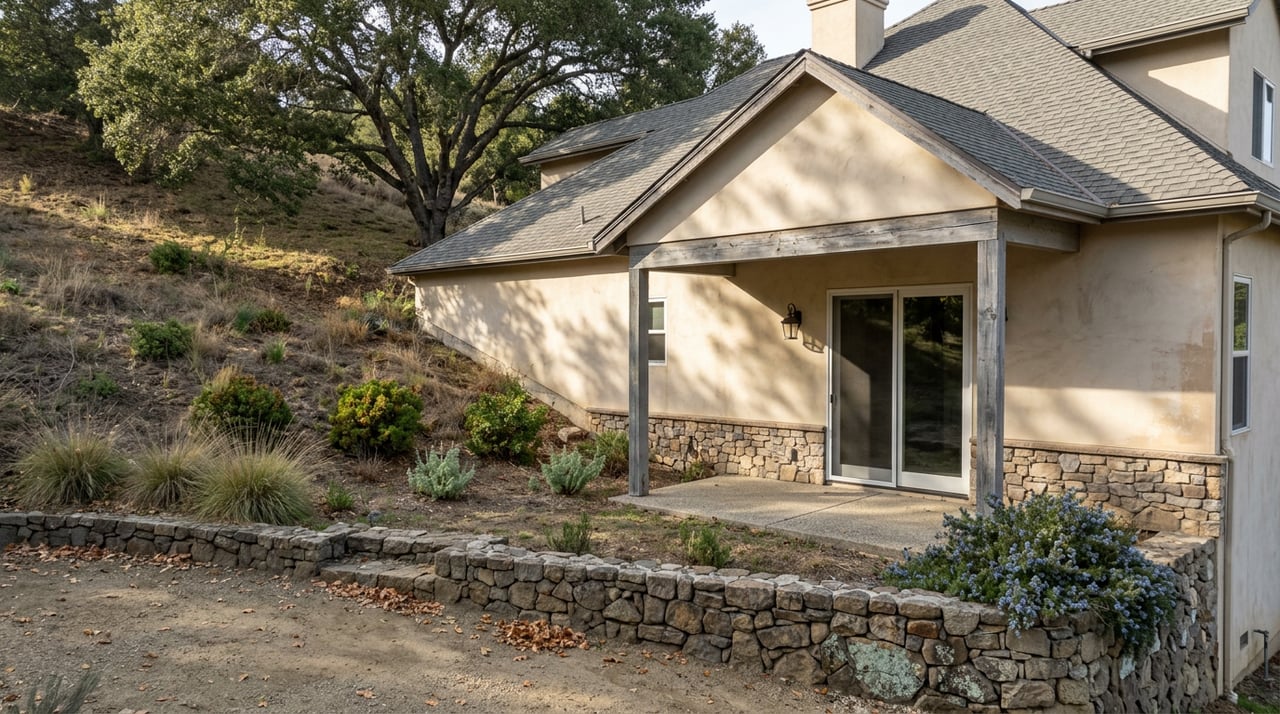
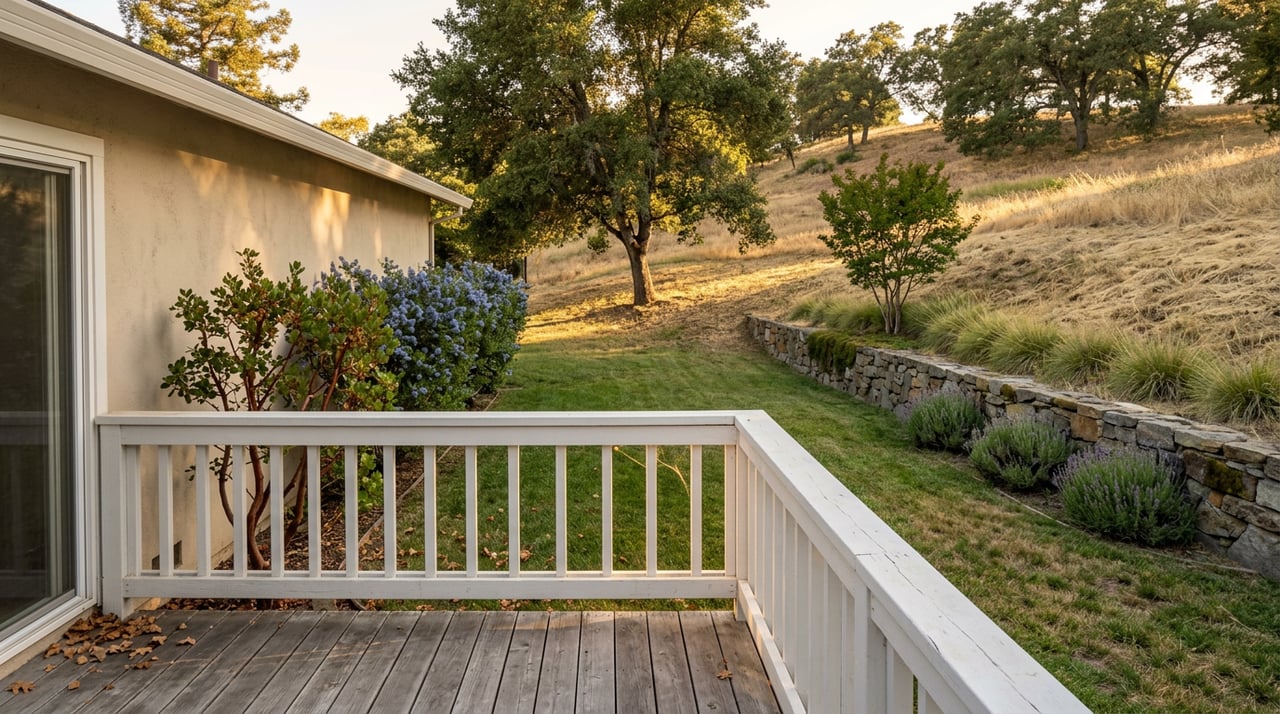
On the city’s edge you will see custom homes, ranch properties, and larger lots with open views. Living near Pleasanton Ridge puts regional parks and trails close by. Properties here may use private roads or have unique utility conditions.
- Best if you want: Acreage, privacy, and an outdoor lifestyle.
- Keep in mind: Confirm access, utilities, fire safety requirements, and maintenance of roads or retaining walls.
Home styles you will see
Victorian and Queen Anne
These older homes appear near Old Town, with decorative trim, steep roofs, and inviting front porches. Interiors tend to be smaller by modern standards. The setting near Main Street adds everyday convenience.
- Pros: Historic character and walkable location.
- Watch for: System updates, insulation improvements, and seismic bracing.
Craftsman and Bungalow
Craftsman details include wide porches, tapered columns, and exposed rafters. These homes sit in or near older neighborhoods. Floor plans feel cozy and are often single story or one‑and‑a‑half stories.
- Pros: Warm curb appeal and classic materials.
- Watch for: Electrical and plumbing updates and potential foundation work.
Mid‑century Ranch
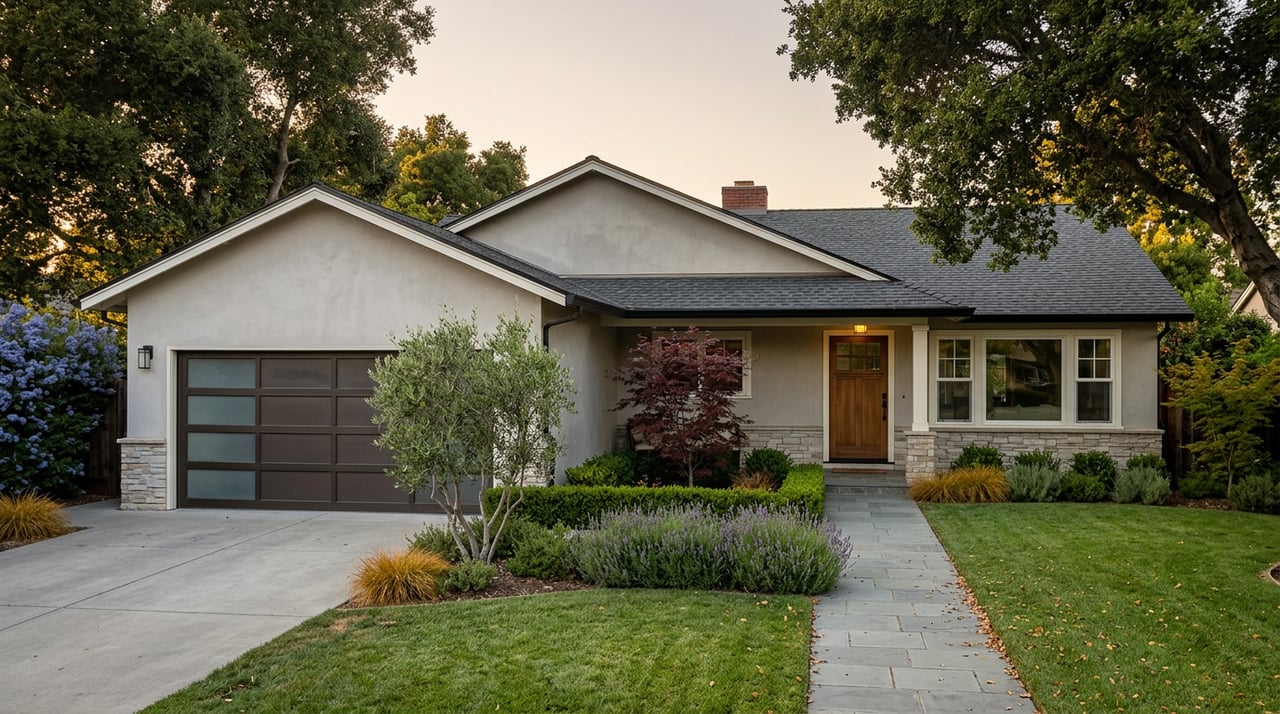
Ranch homes from the 1940s to 1960s offer single‑level living and low‑sloped roofs. Many have been remodeled to open the kitchen and living areas. Lots can be moderate to generous, which appeals to gardeners and pet owners.
- Pros: Single‑story living and larger yards.
- Watch for: Aging roofs, original electrical panels, or older plumbing materials.
Spanish Colonial and Mediterranean
You will find stucco exteriors, tile roofs, and arched entries in many planned communities from the 1980s onward. These homes often provide modern bedroom counts and attached garages. They fit well in neighborhoods like Stoneridge and parts of West Pleasanton.
- Pros: Modern layouts and community amenities.
- Watch for: Stucco maintenance, moisture management, and flashing conditions.
Neo‑eclectic and Contemporary tract
Built mostly from the 1980s to 2010s, these two‑story homes mix materials and offer family‑friendly floor plans. They are common in master‑planned areas such as Ruby Hill and Stoneridge. Many include open kitchens and flexible bonus rooms.
- Pros: Space and functionality for daily life.
- Watch for: HOA rules, exterior finish maintenance, and window or roof age.
Modern and post‑2000 custom
Custom homes use clean lines, large windows, and energy‑efficient systems. You will see these in hillside settings or infill lots. They can offer expansive views and indoor‑outdoor living.
- Pros: Newer systems and contemporary design.
- Watch for: Site‑specific items like drainage, retaining walls, and access.
Townhomes and condos
Attached options cluster near retail corridors and downtown. HOAs handle exterior maintenance, which can simplify ownership. These properties often serve as an entry into Pleasanton.
- Pros: Lower maintenance and proximity to services.
- Watch for: HOA fees, pet and rental rules, and storage or parking layouts.
Buyer checklist for Pleasanton
Use this quick list to match a neighborhood and home style to your day‑to‑day needs.
- School boundaries and programs: Verify current assignments with the local district and county. If schools are important to you, visit during drop‑off to understand traffic patterns.
- Commute and transit: Test drive your commute at peak times. If you plan to use BART, factor in drive time and parking at the Dublin/Pleasanton station.
- HOA and special assessments: Review CC&Rs, budgets, reserves, and any pending assessments. Check county tax records for Mello‑Roos or special tax districts that affect monthly costs.
- Lot size and yard use: Decide what you need for gardening, pets, or a pool. Compare lot sizes from downtown cottages to foothill acreage.
- Home age and systems: Order a full home inspection. Consider specialists for roofs, foundations, septic or well systems on rural parcels, and hillside stability.
- Hazard checks: Review flood, fire, and seismic risk for the address. Confirm homeowners insurance availability and any wildfire mitigation requirements near the ridge.
- Resale signals: Look at recent, nearby sales and time on market in the specific subdivision. Note any planned development or infrastructure projects that could affect future value.
- Lifestyle fit: Map your daily routes for work, school, groceries, and parks. Rank neighborhoods by convenience to your routine.
Who tends to buy where
If you want an entry point, look at condos, townhomes, and smaller single‑family homes near Stoneridge, central Pleasanton, or older neighborhoods with modest lot sizes. Downtown condos offer walkability, though units may be smaller. These areas often draw first‑time buyers.
Move‑up buyers who want larger lots and more space often consider Ruby Hill, parts of West Pleasanton, and foothill or estate properties near Pleasanton Ridge. If you want privacy and open views, these areas provide options at higher price tiers. Expect HOAs and community standards in many planned sections.
Outdoor‑focused buyers who want acreage or trail access tend to favor the hillside and rural edge. These homes can feel private and scenic. Plan extra due diligence on access, utilities, and fire safety.
Commute and convenience tips
Proximity to I‑680 helps with north‑south travel, and quick access to I‑580 is useful for regional trips. The Dublin/Pleasanton BART station provides a transit option for Bay Area commutes. If walkability matters more than freeway access, downtown or nearby central neighborhoods can work well. Always test your likely route during the times you plan to travel.
Budget and ownership costs
Ownership costs in Pleasanton include property taxes governed by California’s Prop 13 framework. Some planned communities have HOAs that cover common area maintenance or amenities. Certain newer subdivisions or local improvements may carry special assessments. Review HOA documents and county tax records early so you can compare monthly and annual costs across neighborhoods.
Plan your next steps
Start by listing your top three priorities: commute, yard size, or walkability. Tour neighborhoods at different times of day to get a feel for traffic and noise. If school assignments are important, verify boundaries directly and visit campuses and nearby streets during typical pick‑up hours. Then align your short list of neighborhoods with the home styles that fit your lifestyle.
If you want a steady, local guide to help you compare Pleasanton areas and spot tradeoffs, connect with the Aliloupour Real Estate Team. We will help you map priorities, preview homes that match your criteria, and move with confidence.
FAQs
What Pleasanton neighborhoods work for first‑time buyers?
- Condos, townhomes, and smaller single‑family homes near Stoneridge, central Pleasanton, or older neighborhoods often provide more approachable entry points, with downtown condos offering walkability.
How important are school boundaries in Pleasanton?
- School assignments strongly influence buyer demand and resale, so confirm current boundaries with the district and verify any planned changes before you write an offer.
Are HOAs common in Pleasanton communities?
- Yes, especially in planned areas and attached housing; review CC&Rs, budgets, reserves, and any special assessments to understand rules and total monthly costs.
What commute options does Pleasanton offer to Bay Area hubs?
- Many residents drive on I‑680 or I‑580, and the Dublin/Pleasanton BART station provides regional transit; test your route at peak times to confirm door‑to‑door timing.
What inspections are most important for Pleasanton homes?
- Get a full home inspection and consider specialists for roofs, foundations, hillside stability, moisture management for stucco, and septic or well systems on rural parcels.
Where can I find larger lots or estate homes in Pleasanton?
- Ruby Hill, parts of West Pleasanton, and foothill or rural edge properties near Pleasanton Ridge are common choices for larger lots, privacy, and scenic views.