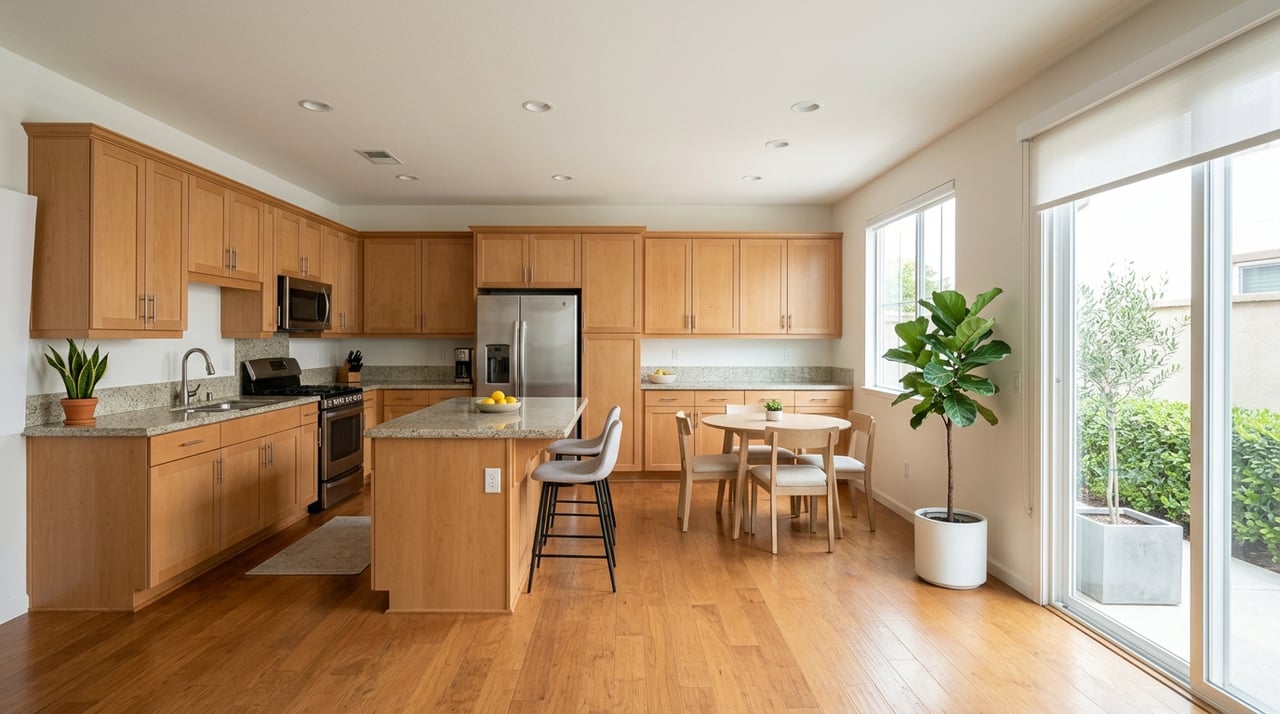
Wondering how much prep your San Ramon home really needs before you list it? In a market where homes can still move quickly, the right preparation can help you protect value, reduce surprises, and make your sale feel a lot less stressful. If you want a clear plan that focuses on what matters most, this guide will walk you through it. Let’s dive in.
Why prep still matters in San Ramon
San Ramon remains a competitive market, but sellers should not assume every home will sell itself. Recent May 2026 market snapshots show median sale prices around the mid-$1.5 million range, homes moving in about two weeks, and about half of sales closing over list price. That is encouraging, but it also suggests buyers are still paying attention to condition, presentation, and price.
For you as a seller, that means smart prep can help your home stand out fast. The goal is not to over-improve every inch of the house. It is to focus on the work that improves first impressions, limits inspection issues, and helps buyers picture themselves living there.
Start with repairs that affect the sale
Before you think about staging pillows or fresh flowers, look at the repairs that could slow down a transaction. Issues involving structure, electrical, plumbing, gas, or mechanical systems deserve attention first because they may affect safety, function, and buyer confidence. These items can also trigger permit requirements in San Ramon.
The City of San Ramon says permits are generally required when work involves structural changes or regulated systems like electrical, gas, mechanical, or plumbing. The city also notes that permit applications typically take 5 to 10 business days to process. If your home is in an HOA, you may need HOA review or approval before a permit is issued.
That timing matters. If you wait until the last minute, a repair that seemed small can delay your listing plan.
What usually does not need a permit
San Ramon lists many finish-level updates as permit-exempt. These commonly include:
- Painting
- Papering
- Tiling
- Carpeting
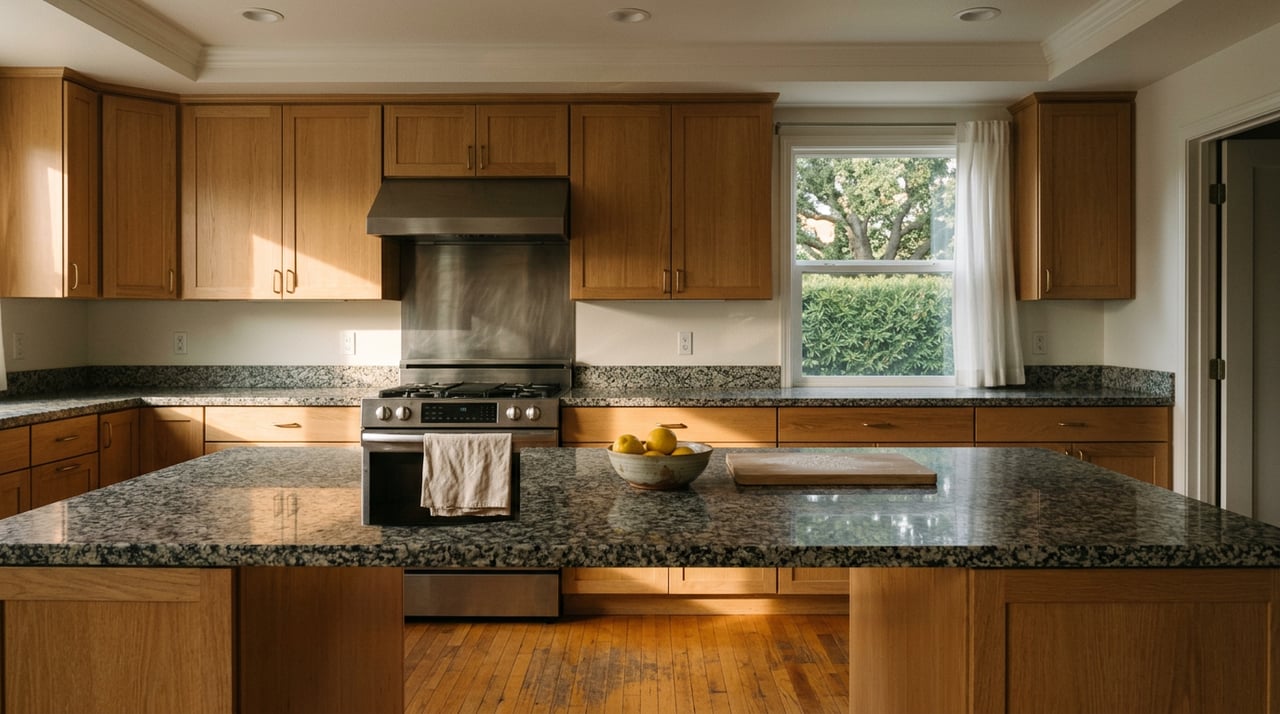
- Cabinets
- Countertops
- Similar finish work
For many sellers, this is good news. Cosmetic refreshes can often make a home feel cleaner and more current without adding permit delays.
What work is better to outsource
In California, a written contract is required for home improvement projects over $500. The Contractors State License Board also says anyone contracting for work that requires a building permit or work valued at $1,000 or more must hold a valid contractor license.
A simple rule can help you decide. If the work touches systems, structure, or permits, licensed professional help is usually the safer route. If it is lighter finish work and you have the time and ability to manage it well, that may fit a homeowner-led prep list.
Check curb appeal early
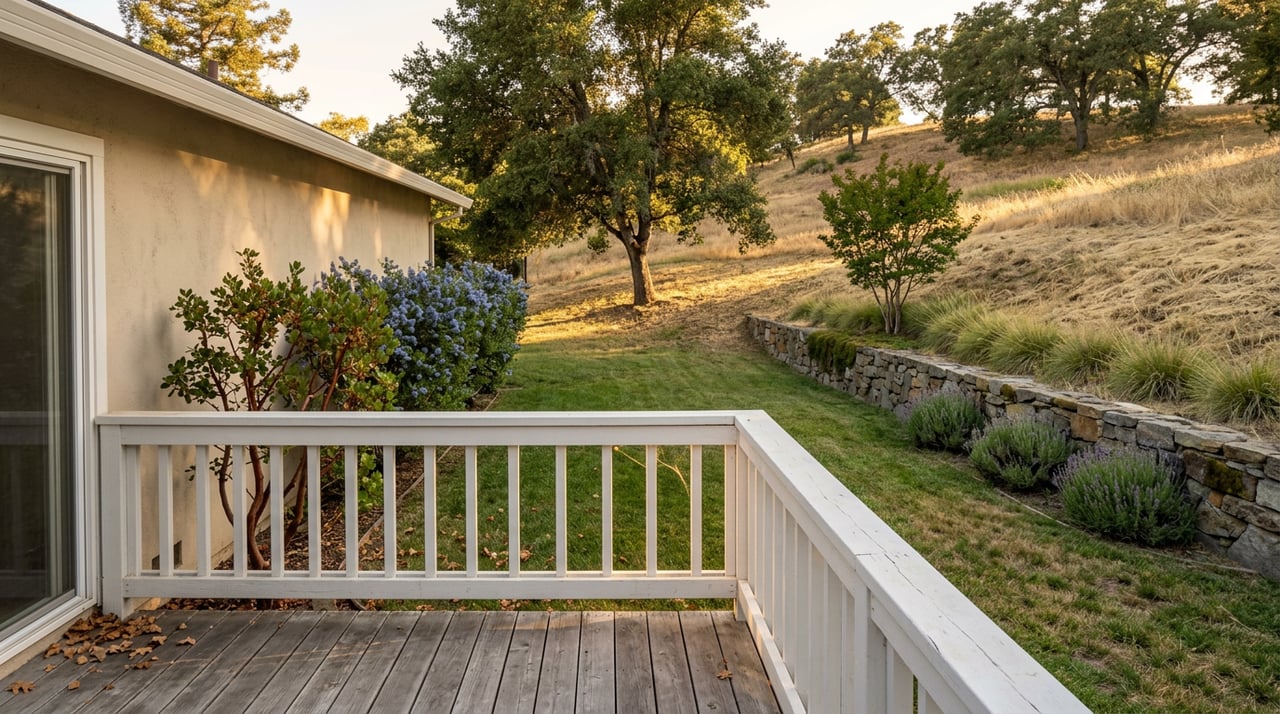
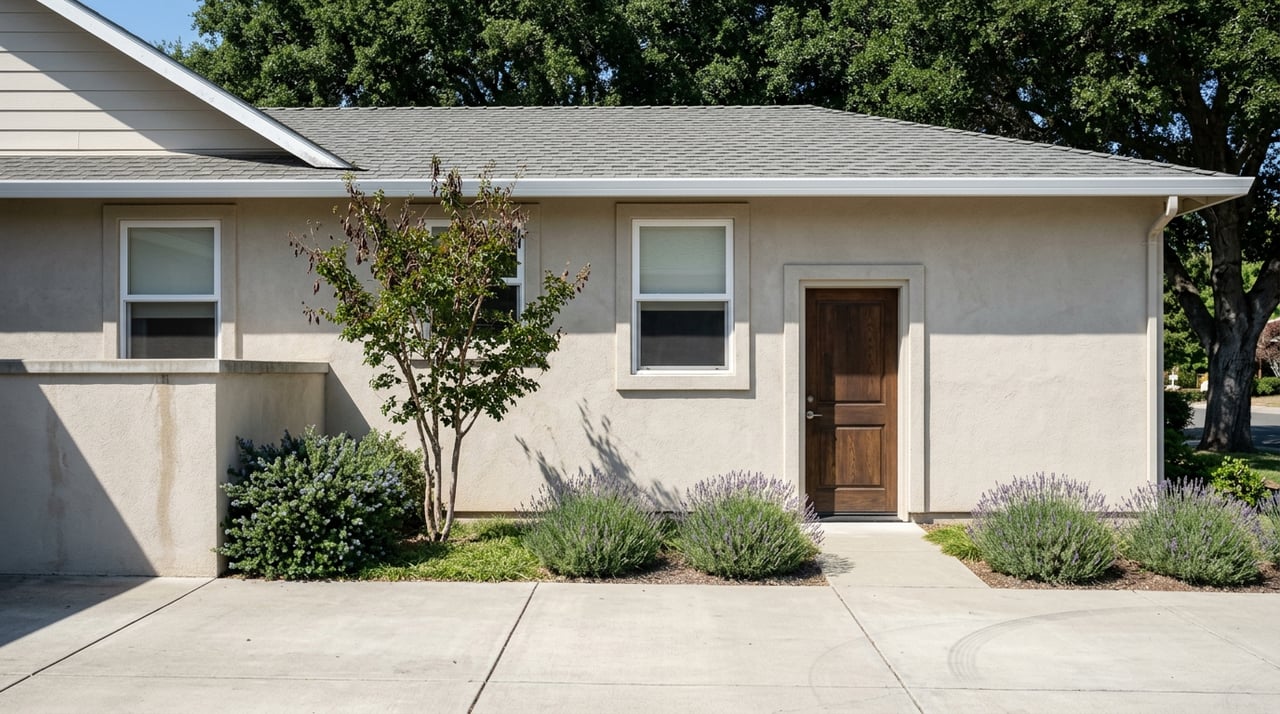
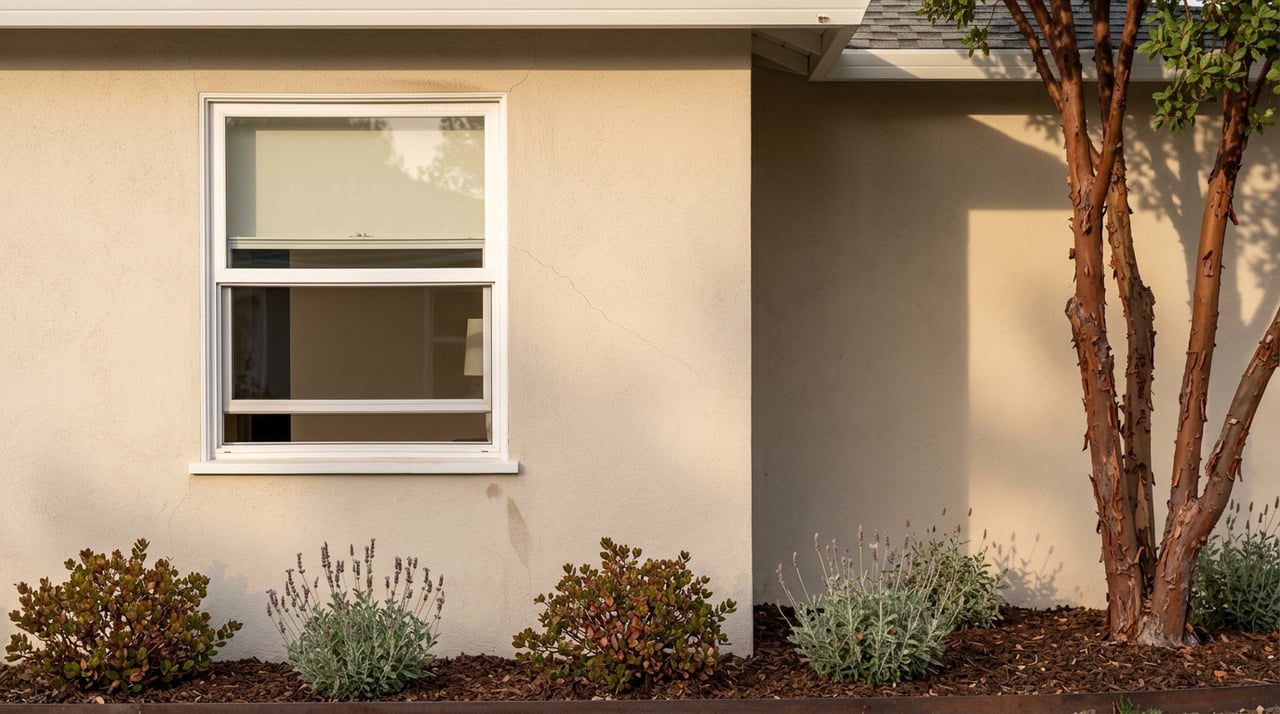
Your front approach sets the tone for every showing. Buyers often form an opinion before they ever reach the front door, so it makes sense to inspect the driveway, walkway, porch, trim, and entry area early in the process.
This is more than a style choice. San Ramon says property owners are responsible for maintaining adjoining sidewalks in a non-dangerous condition. A cracked walkway, uneven approach, or neglected entry can affect both appearance and practicality.
Focus on first-impression basics
You do not need a full landscape overhaul to improve curb appeal. In most cases, a few targeted steps can go a long way:
- Clean the walkway and front porch
- Trim overgrown landscaping
- Touch up visible paint where needed
- Make sure the front door area looks tidy
- Check that exterior paths feel safe and well-maintained
These updates support the kind of strong first impression that helps buyers engage with the rest of the home.
Stage the rooms buyers notice most
If you are short on time or budget, do not try to perfect every room equally. National staging research points to a more focused approach. The rooms buyers care about most are the living room, primary bedroom, and kitchen, with the dining room also commonly staged by sellers' agents.
That is helpful because it gives you permission to prioritize. If your energy is limited, put it where buyers are most likely to notice it.
What staging helps buyers do
According to the 2025 staging research, 83% of buyers' agents said staging made it easier for buyers to envision the home as their future home. Nearly half also reported reduced time on market, and many saw higher dollar value offered.
That does not mean you need to fully furnish and style every corner. It means your home should feel clean, open, neutral, and easy to understand.
Simple staging moves for occupied homes
If you are still living in the home, low-disruption changes can make a real difference. Effective staging often includes removing personal items, decluttering, simplifying colors, and making storage areas look functional instead of full.
A practical checklist may include:
- Box up excess décor and personal photos
- Clear kitchen and bathroom counters
- Reduce furniture that makes rooms feel tight
- Organize closets so they look usable
- Use neutral bedding and simple accents
- Keep surfaces clean and consistent for photos and showings
Decide whether full staging is necessary
Full staging is not always required. Many sellers benefit from partial staging, agent-led staging support, or a hybrid approach that combines decluttering with selective room styling.
That can be especially useful if your home is occupied or if you want to manage costs carefully. Research cited a median staging-service cost of $1,500, compared with $500 when the seller's agent handled staging. For some homes, a focused plan can deliver strong results without staging every room.
Vacant homes need special attention
Empty rooms can feel smaller and less inviting. If your San Ramon home will be vacant when listed, some level of visual support may be worth considering because buyers often respond better when they can understand how a room might function.
Virtual staging can be faster and more cost-effective, while physical staging may feel more convincing during in-person tours. The right option depends on your timeline, budget, and how much foot traffic you expect.
Make the home photo-ready before listing
Photos are not the final step. They are part of the preparation process because once photography happens, your home's online first impression is set.
Staging research shows that buyers' agents place high importance on photos, physical staging, videos, and virtual tours. That means your home should be fully cleaned, decluttered, and visually consistent before the camera arrives.
Your pre-photo checklist
Before photography day, aim to:
- Remove clutter from floors and counters
- Hide cords, bins, and small personal items
- Open window coverings for natural light
- Replace burned-out bulbs
- Straighten rugs, bedding, and dining chairs
- Tidy the exterior entry and front yard
A home that is photo-ready is usually showing-ready too. That can make the listing period easier on your schedule.
Gather paperwork before you go live
One of the most overlooked parts of seller prep is documentation. Getting your paperwork organized early can help you avoid a scramble once buyers start asking questions.
In California, sellers should be ready with a Transfer Disclosure Statement and an Agency Relationship Disclosure. The Transfer Disclosure Statement addresses the physical condition of the property and potential hazards or defects. The California Geological Survey also says the Natural Hazards Disclosure Act requires a Natural Hazard Disclosure Statement when a property lies in mapped hazard areas.
Older homes need an extra records check
If your home was built before 1978, federal law requires lead-based paint disclosure before the sale or lease of most such housing. That includes sharing known information, available records and reports, and giving the buyer an opportunity for inspection.
For you, that means prep is not just about paint colors and landscaping. It may also involve reviewing old records and making sure required disclosures are ready.
Follow a realistic prep sequence
If you are balancing work, family, and moving plans, a clear order of operations helps. A simple sequence can keep the process efficient and reduce rework.
Here is a practical seller roadmap for San Ramon:
- Gather disclosures, repair records, and key property documents.
- Identify repair items, especially anything permit-sensitive.
- Complete system or structural work first.
- Handle cosmetic refreshes like paint, flooring, or finish updates.
- Declutter and stage the highest-impact rooms.
- Make the home fully photo-ready.
- Photograph, launch, and keep the home easy to show.
This sequence works because it tackles the items most likely to affect timing and buyer confidence before you shift into presentation mode.
Keep your prep focused on value
When sellers feel overwhelmed, they often ask the same question: What actually matters most? In this market, the highest-value work is usually the work that improves first impressions, reduces inspection friction, and keeps the home easy to show.
That means you do not need to renovate everything. You need a thoughtful plan that matches your timeline, your budget, and your home's likely buyer expectations in San Ramon.
A calm, step-by-step approach can make the sale smoother from the start. If you want experienced local guidance on pricing, timing, and what prep is worth doing before you list, the Aliloupour Real Estate Team is here to help.
FAQs
What home repairs need permits in San Ramon before listing?
- In San Ramon, permits are generally required for structural changes and work involving electrical, gas, mechanical, plumbing, or similar regulated systems, while many finish updates like painting, tiling, carpeting, cabinets, and countertops are permit-exempt.
What rooms matter most when staging a San Ramon home for sale?
- Staging research points to the living room, primary bedroom, and kitchen as the most important rooms for buyers, with the dining room also commonly staged.
Is full staging required to sell a home in San Ramon?
- No. Many sellers use a focused approach with decluttering, deep cleaning, curb appeal improvements, and partial staging instead of fully staging every room.
What paperwork should California sellers prepare before listing a San Ramon home?
- California sellers should be ready with a Transfer Disclosure Statement, an Agency Relationship Disclosure, any required Natural Hazard Disclosure materials, and lead-based paint disclosure materials if the home was built before 1978.
Should you hire licensed professionals for pre-sale home work in San Ramon?
- Licensed professionals are usually the safer choice for permit-related work, structural changes, or electrical, plumbing, gas, and mechanical work, and California requires written home improvement contracts over $500.