Thinking about a move to Dublin, CA? You are not alone. Dublin has become one of the East Bay’s most watched suburban communities, thanks to its newer housing, strong transit access, expanding shopping and dining, and a city layout that keeps evolving. If you want a clear picture of daily life here, this guide will walk you through the lifestyle, housing, commute, amenities, and market realities that shape Dublin today. Let’s dive in.
Dublin today at a glance
Dublin is not a traditional, old downtown city with a long-established central core. It is a fast-growing, planned East Bay suburb that is still adding housing, mixed-use areas, and public amenities.
The City of Dublin reports a population of about 74,691 residents based on the 2025 Department of Finance estimate. The city also projects growth toward 89,595 residents at buildout by 2040, with downtown changes centered around BART, Dublin Boulevard, and more pedestrian-friendly mixed-use development.
The feel of living in Dublin
Daily life in Dublin tends to feel polished, active, and commuter-oriented. It is a place where newer neighborhoods, shopping centers, parks, and transit connections all play a big role in how the city functions.
Census QuickFacts also paint a clear picture of the community. Dublin has a median household income of $214,385, and 69.8% of adults hold a bachelor’s degree or higher.
The city is also notably diverse. Census data shows that 40.8% of residents are foreign-born, 55.2% of the population is Asian, 25.0% is under age 18, and 9.6% is age 65 or older.
For many buyers, that adds up to a community that feels global, family-oriented, and professionally driven. You may find that Dublin appeals most if you want a suburban setting with a broad mix of residents and a strong connection to the wider Bay Area economy.
Commuting and getting around
Commute patterns shape everyday life in Dublin more than they do in many smaller suburbs. Census data shows a mean travel time to work of 35.9 minutes, which helps explain why transit access matters so much here.
Dublin is served by two BART stations: Dublin/Pleasanton and West Dublin/Pleasanton. The city also highlights Wheels bus service throughout Dublin, Pleasanton, Livermore, and nearby unincorporated areas.
If you work in another part of the Bay Area, that transit setup can make Dublin more practical than a suburb with fewer transportation options. BART’s station information also confirms parking options at the Dublin/Pleasanton station, which is helpful if you prefer to park and ride.
Housing in Dublin: newer growth is part of the story
One of the biggest things to understand about Dublin is that growth is not just part of its past. It is still part of its present.
The city’s planning documents show several areas that continue to define Dublin’s identity. Downtown Dublin is planned as a more intensive mixed-use center, Eastern Dublin covers about 3,300 acres of future growth east of Camp Parks, and Dublin Crossing is planned as a work-live-play neighborhood with a central park, trail connections, and links to the Dublin/Pleasanton BART station.
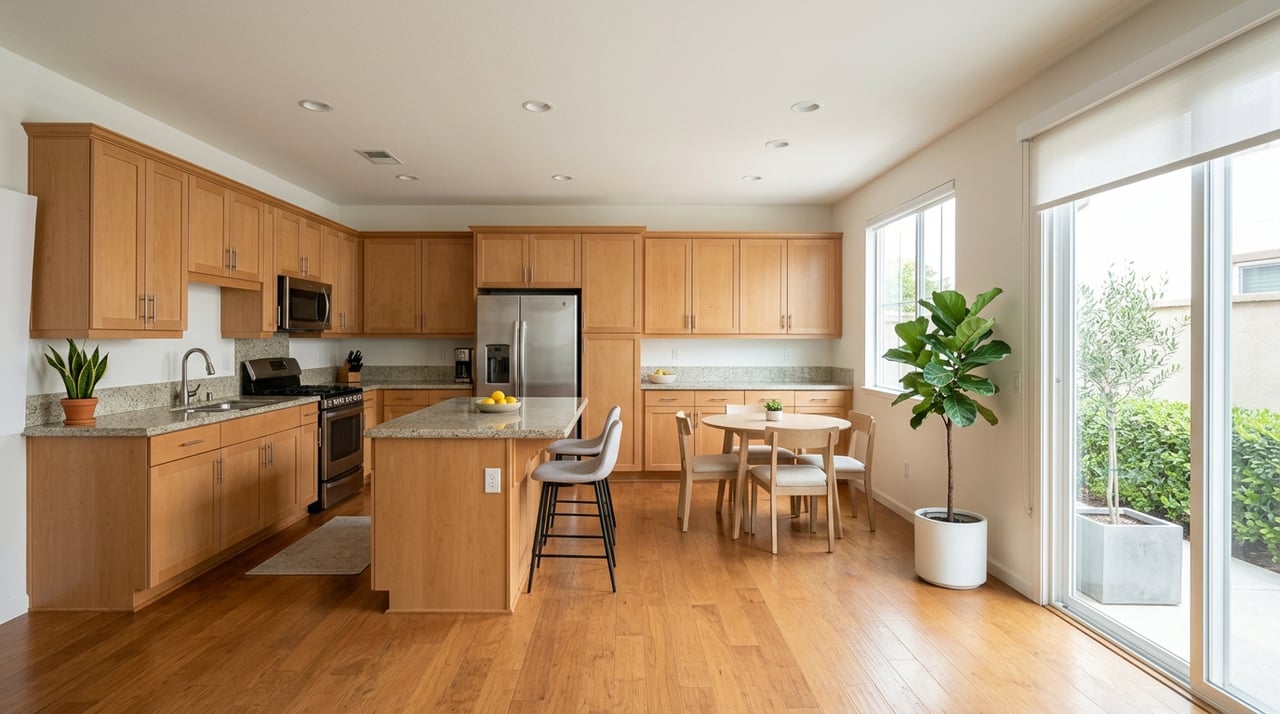
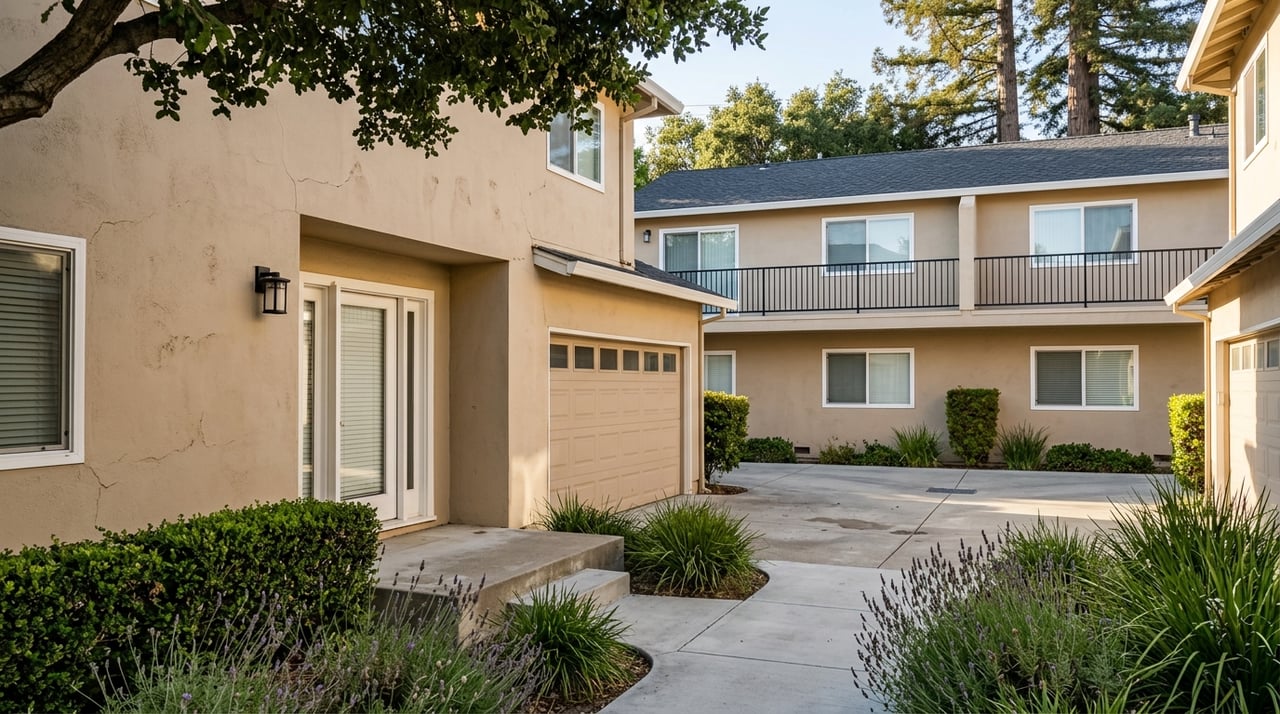
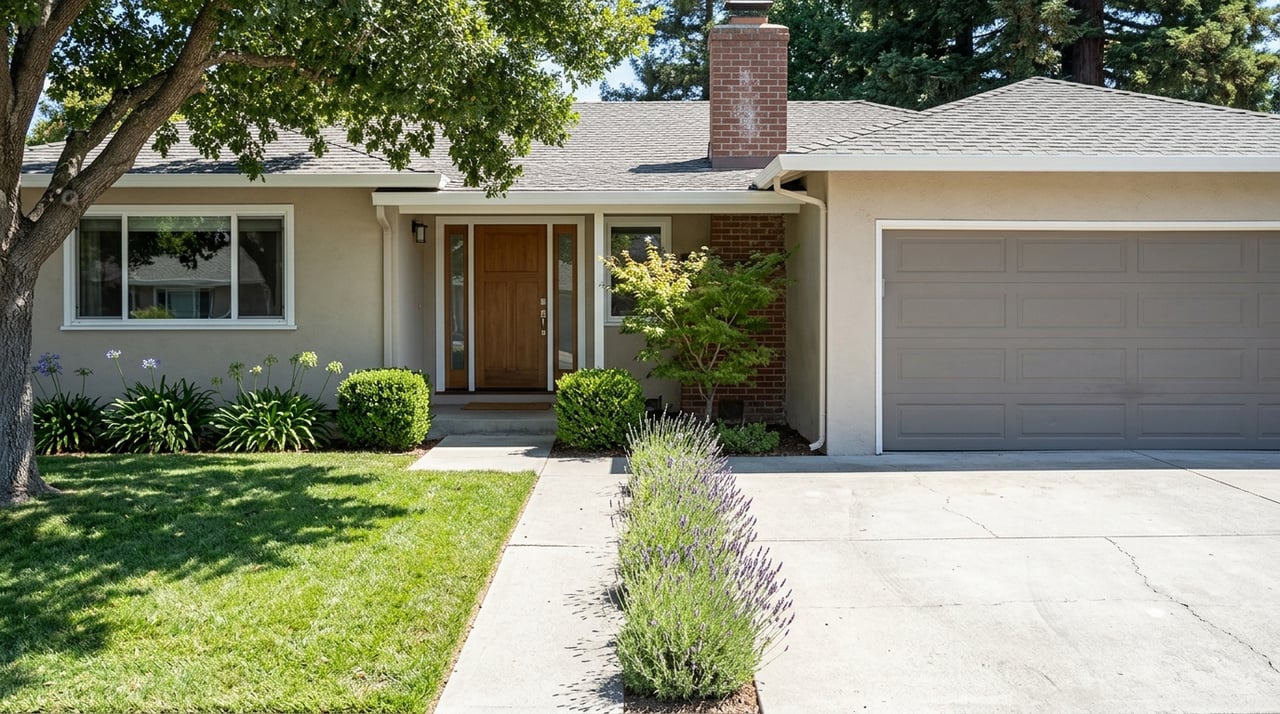
That means your home search in Dublin may look different than in an older East Bay city. Instead of focusing on a historic core, you may be comparing newer condos, townhomes, and detached homes in communities shaped by modern planning, shared amenities, and access to parks or transit.
In 2024, the City Council removed parking requirements from the Retail District, Transit-Oriented District, and Village Parkway District. That change signals continued support for denser, more walkable downtown development over time.
What the housing market looks like
Dublin is a premium-priced market, and buyers should go in with realistic expectations. Both Census data and local sales reports show that housing here is expensive compared with many other areas.
Census QuickFacts lists the median value of owner-occupied homes at $1,317,100. The owner-occupied housing rate is 65.7%, and median gross rent is $3,191.
Bay East’s April 2026 report for detached homes in Dublin shows a median sale price of $1.53 million. It also reports 3.3 months of inventory, an average of 13 days on market, and homes selling for 101% of list price on average.
For attached homes, Bay East’s April 2026 report shows a median sale price of $420,000, 2.7 months of inventory, and an average of 31 days on market. Together, those numbers suggest an active market where well-positioned homes can still move quickly.
Neighborhood character and development patterns
Dublin’s neighborhoods often reflect its planned-growth history. Many residential areas feel newer and more intentionally laid out than older East Bay neighborhoods, with organized street patterns, community parks, and easy access to shopping centers or commuter routes.
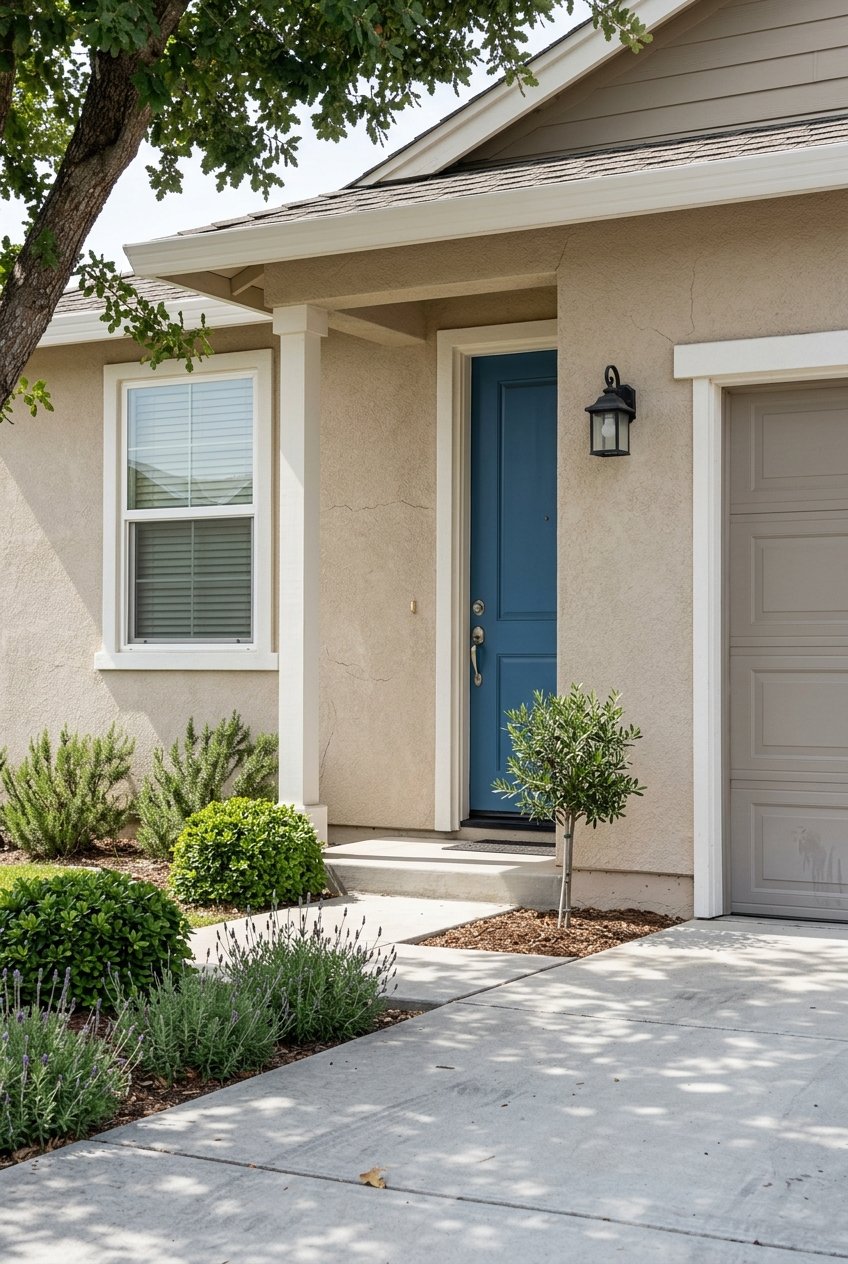
That newer-development character can be a plus if you value modern layouts, attached garages, and neighborhood amenities. It can also mean that the city feels more spread across distinct residential and retail areas rather than centered on one classic main street.
The city’s newer communities also tend to include built-in recreation. Official examples include Jordan Ranch Park, Wallis Ranch Community Park, and Forest Park in the Jordan Ranch development.
Parks, trails, and outdoor time
Outdoor access is a real part of Dublin’s lifestyle. The city says it has more than 24 neighborhood and community parks, sports fields, and open space areas, along with two open land developments and an East Bay Regional Park District open-space area.
If you like having easy options for a walk, a playground visit, or a weekend picnic, Dublin offers plenty of choices inside city limits. That convenience matters because it lets you build outdoor time into regular life instead of saving it only for special outings.
The city also highlights the Calaveras Ridge Trail near Schaefer Ranch, which connects into grassland open space. For pet owners, Dublin has three designated dog runs, which adds another practical benefit for daily routines.
Shopping and dining in Dublin
Dublin’s shopping and dining scene is convenient, but it is not built around one old-fashioned downtown strip. Instead, retail and restaurants are spread across several established centers.
The city identifies Hacienda Crossings as Dublin’s largest shopping center, with specialty retail, restaurants including Lazy Dog Cafe, Market Tavern, and World of Beer, plus Regal Cinemas and an IMAX. Fallon Gateway is another major retail area, anchored by Target, Dick’s Sporting Goods, and PetSmart.
The city also points to Tivoli Plaza and Village Parkway, where you will find smaller local businesses and dining spots. In practical terms, that means Dublin offers a lot of everyday convenience, even if the experience feels more suburban center-based than main-street based.
Community events and local identity
Dublin’s civic calendar is more active than many people expect from a suburban city. Community events give residents recurring ways to connect with the city beyond work, school, or errands.
The best-known event is the St. Patrick’s Day Celebration. In 2026, the city scheduled its 42nd annual festival for March 14 and 15, with three stages, Irish music and dance, and more than 250 vendors.
Other 2026 city events include Splatter on September 12 at Emerald Glen Park, the Red, White & Blue Backyard Bash on July 4 at Dublin Sports Grounds, and Dublin Pride Week from April 25 through May 2. If you value a place with an active public events calendar, Dublin checks that box.
Who Dublin tends to appeal to
Dublin often stands out for people who want a suburban East Bay lifestyle with modern housing, strong park access, and practical commuting options. It can be especially appealing if you want BART connectivity, newer planned communities, and everyday shopping close to home.
It may also fit you well if you want a city that is still growing and refining its identity. Dublin does not feel frozen in time. It feels like a place that is actively building toward its next version.
That said, price is part of the equation. If you are considering Dublin, it helps to be clear about your budget, your commute, and whether you prefer newer suburban design over the character of an older, more established urban core.
Final thoughts on living in Dublin
Living in Dublin today means choosing a city that blends growth, convenience, and access. You get a community with substantial parks, multiple shopping hubs, two BART stations, a diverse population, and housing options shaped by modern development rather than old-city patterns.
For many buyers and sellers, that combination is exactly the appeal. If you want help understanding where Dublin fits into your East Bay plans, the Aliloupour Real Estate Team offers a relationship-first, local approach to buying, selling, and navigating this market with confidence.
FAQs
What is the overall lifestyle like in Dublin, CA?
- Dublin feels like a fast-growing, planned East Bay suburb with newer neighborhoods, strong commuter connections, active shopping centers, and a wide range of parks and open space.
Is Dublin, CA a commuter-friendly city?
- Yes. Dublin has two BART stations, Wheels bus service, and a reported mean travel time to work of 35.9 minutes, which shows how important regional commuting is to daily life here.
Is housing expensive in Dublin, CA?
- Yes. Census data shows a median owner-occupied home value of $1,317,100, and Bay East reported a median detached home sale price of $1.53 million in April 2026.
Does Dublin, CA have parks and outdoor space?
- Yes. The city says Dublin has more than 24 neighborhood and community parks, sports fields, and open space areas, plus trails and three designated dog runs.
What kind of shopping and dining can you expect in Dublin, CA?
- Dublin offers shopping and dining across several centers, including Hacienda Crossings, Fallon Gateway, Tivoli Plaza, and Village Parkway, rather than one traditional downtown district.
Is Dublin, CA still growing and developing?
- Yes. The city’s plans for Downtown Dublin, Eastern Dublin, and Dublin Crossing show that growth and mixed-use development remain a major part of Dublin’s future.