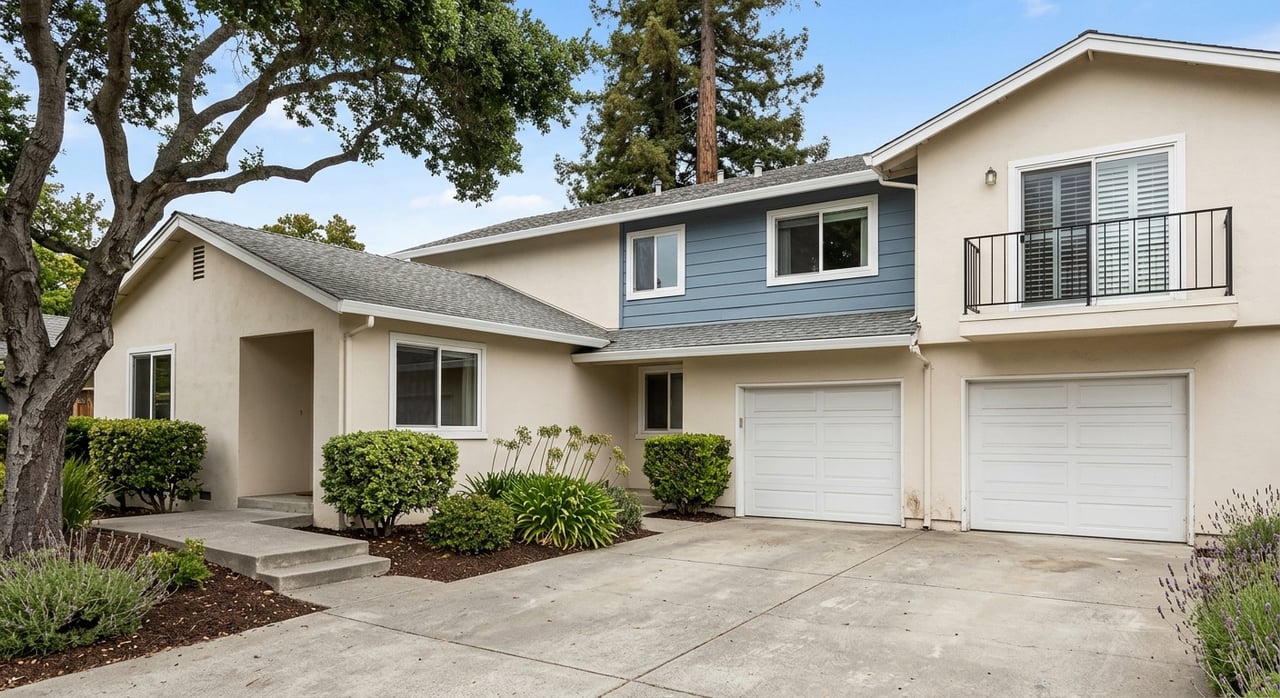
Trying to choose between Pleasanton and Dublin? You are not alone. Many East Bay buyers end up comparing these neighboring cities because they share strong commute access, competitive housing markets, and a wide mix of home options. The right fit often comes down to how you want to live, what type of home you want, and how far your budget needs to stretch. Let’s break it down in a practical way.
Start With The Big Difference
Pleasanton and Dublin sit side by side along the I-580 and I-680 corridor in Alameda County, but they offer different housing experiences. Pleasanton is generally the more established and more expensive option, with a historic downtown and a stronger detached-home feel. Dublin is generally newer, more transit-oriented, and more tied to mixed housing patterns.
That does not mean one city is better than the other. It means your decision should match your priorities. If you want older established areas and a traditional town-center feel, Pleasanton may stand out. If you want newer development patterns and a broader mix of attached housing near commute routes, Dublin may deserve a closer look.
Compare Home Styles First
For most buyers, the best place to start is housing stock. The two cities can feel very different once you begin touring homes in person. Looking at home style, age, and neighborhood layout will often narrow your decision faster than almost anything else.
Pleasanton Home Options
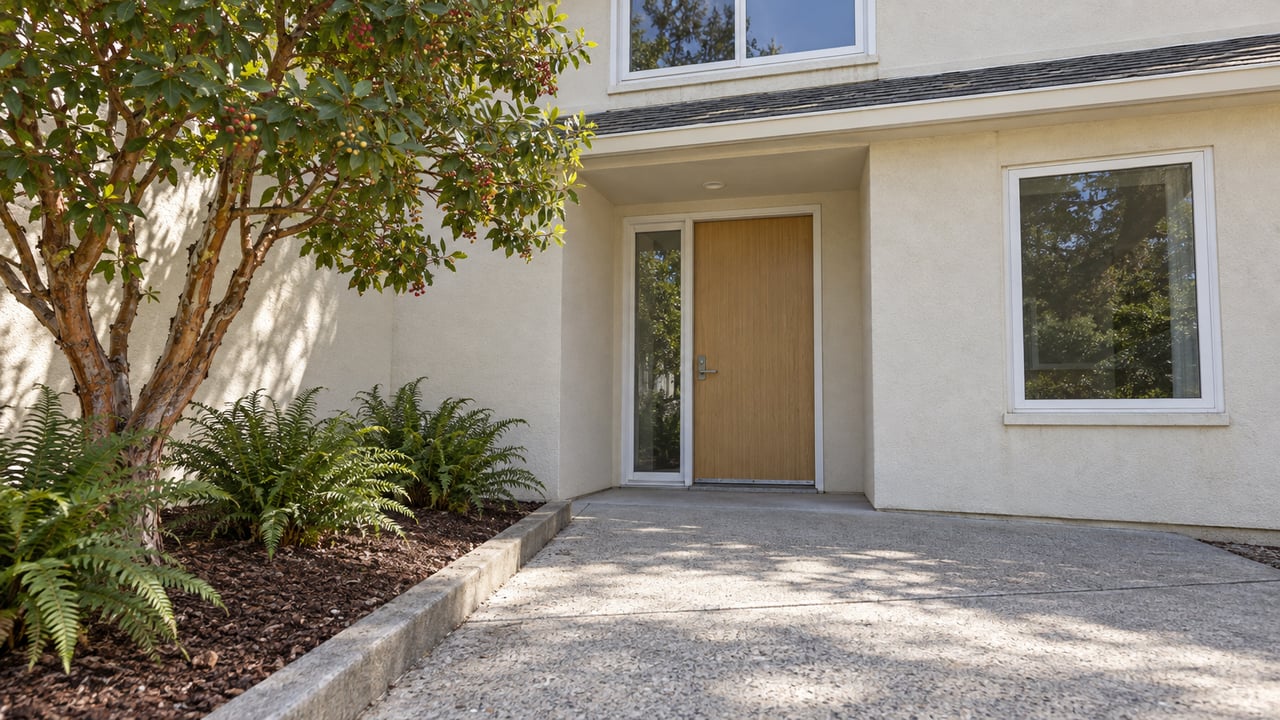
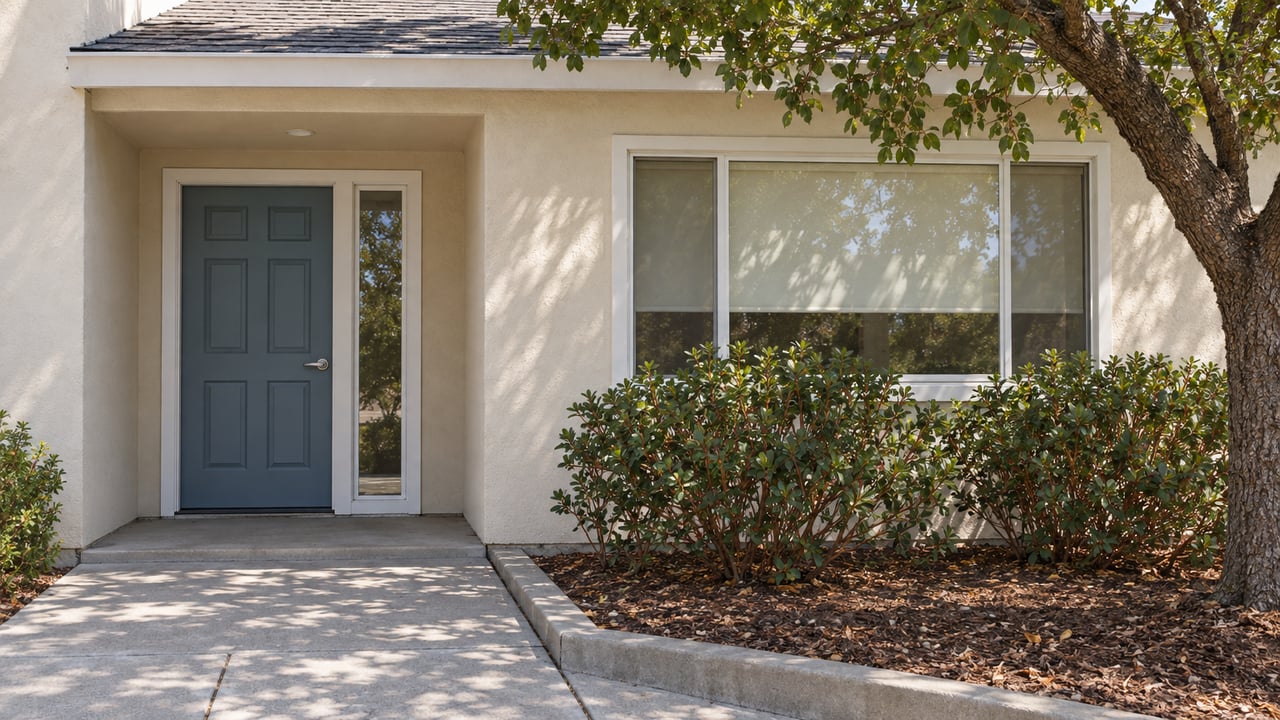
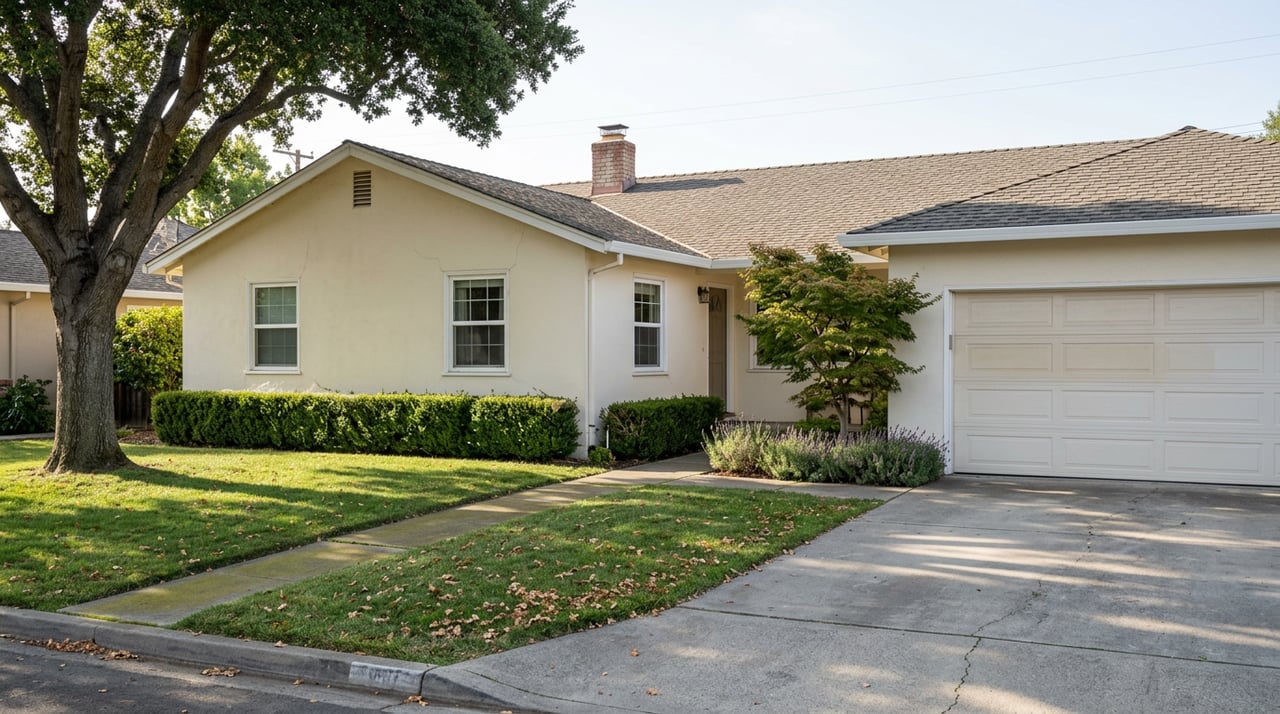
Pleasanton supports a wide range of housing types, including single-family homes, townhomes, condos, apartments, mixed-use housing, and accessory dwelling unit-related options. In practice, many buyers experience Pleasanton as more oriented toward detached homes, especially in established neighborhoods shaped by decades of growth.
You may also notice more variety from one part of the city to another. Pleasanton combines older neighborhoods, a historic core, and later suburban development, so your home search may include everything from smaller attached homes to larger single-family properties.
Dublin Home Options
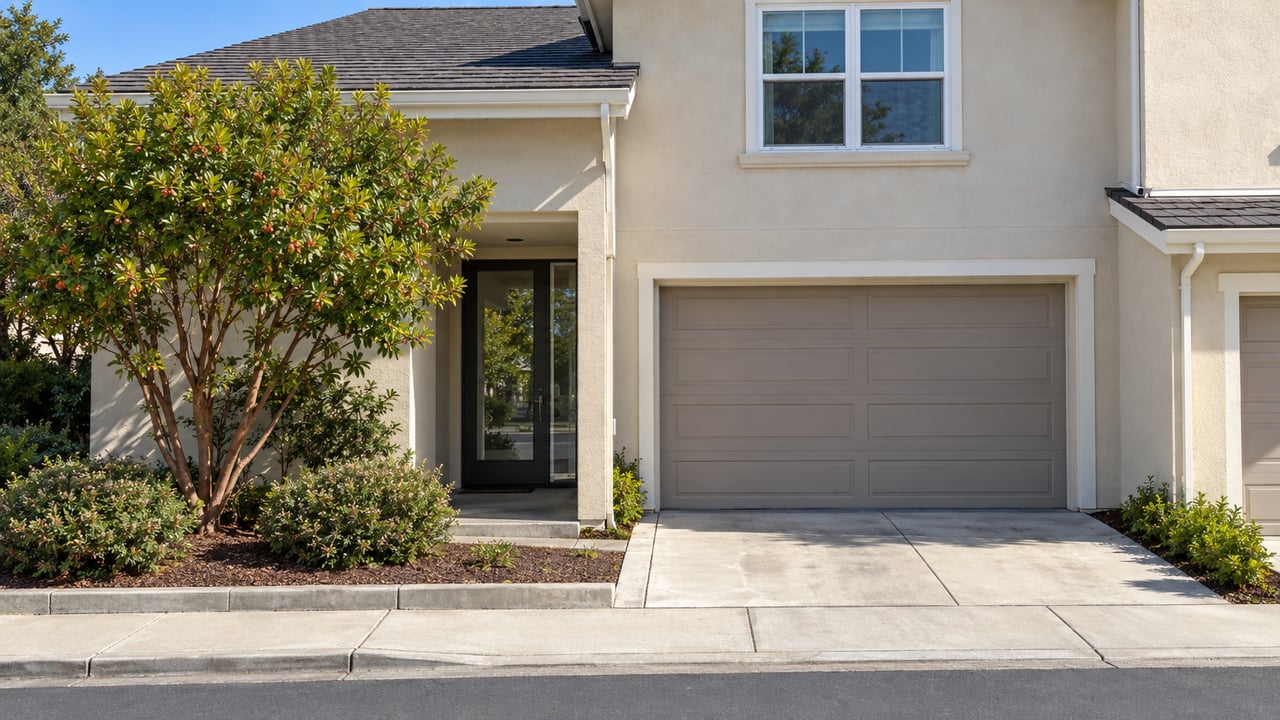
Dublin’s housing story is newer and more master-planned. The city’s housing framework includes detached single-family neighborhoods, two-family homes, attached projects, and multifamily housing, which often shows up as a stronger mix of newer subdivisions, townhomes, condos, and apartment-heavy areas.
If you are open to attached living or want a home in a more recently developed setting, Dublin may offer more of the product type you are looking for. Buyers who prioritize lower-maintenance living often find Dublin worth strong consideration.
Compare Pricing And Competition
Budget matters, but so does what your budget buys in each market. Based on Redfin data through May 2026, Pleasanton had a median sale price of $1,494,106, while Dublin came in at $1,324,208. That is a difference of about $169,898.
Pleasanton also showed a higher median price per square foot at $770, compared with $615 in Dublin. In simple terms, Pleasanton usually carries the premium. Dublin may offer a somewhat lower entry point, but it is still a competitive market.
Market Pace In Both Cities
Neither market is slow. Homes averaged about 21 days to sell in Pleasanton and 20 days in Dublin, according to the same Redfin data.
Redfin’s compete score also points to strong buyer demand in both places, with Pleasanton at 81 and Dublin at 87. If you are shopping in either city, you should be prepared for a fast-moving process and clear decision-making.
Think About Your Commute
Commute access is one reason buyers compare these cities so often. Both benefit from the same regional transportation spine, including I-580, I-680, and BART.
Pleasanton has two BART stations along I-580 and an ACE station near downtown. Dublin is also served by two BART stations, and Wheels bus service connects Dublin, Pleasanton, and Livermore. If your routine depends on regional access, both cities check an important box.
Transit Convenience Can Shape Home Choice
If you want to stay close to transit, your home search may naturally lean toward certain housing types. In many cases, transit-oriented areas are where buyers find more condos, townhomes, and mixed-use settings.
That is one reason Dublin often appeals to buyers looking for newer attached housing near major commute routes. Pleasanton can still work well for commuters, but the overall feel may be more established and less centered on newer mixed-use growth.
Compare Outdoor Space And Daily Feel
Beyond the home itself, you are also choosing how your day-to-day environment feels. Parks, trails, and downtown character can shape your experience just as much as square footage.
Pleasanton has a larger open-space footprint. The city lists 46 parks, more than 60 miles of trails, and more than 700 acres of undeveloped open space.
Shadow Cliffs Regional Recreation Area is about a mile from downtown, and Pleasanton Ridge adds access to 2,500 acres and more than 18 miles of trails. Downtown Pleasanton is also a historic district with more than 550 unique businesses and a well-known Main Street restaurant scene.
Dublin’s Recreation And Downtown Growth
Dublin has more than 24 parks, two open space areas, and Dublin Hills Regional Park. It also offers newer, activity-focused park spaces, including Emerald Glen Park, a 48.2-acre park with the Wave aquatic complex, sports fields, a skate park, and reservable picnic areas.
Downtown Dublin is in a period of change. The city describes an ongoing transformation near BART and the I-580 and I-680 corridor, with a preferred vision that includes a new street grid and a town square. If you like the idea of a city still shaping its downtown identity, Dublin may feel exciting and practical.
Which City Fits Your Goals?
The best answer usually depends on what matters most to you. Price is important, but it is rarely the only factor. A smart comparison looks at home type, location within the city, commute patterns, and the kind of setting you want around you.
Here is a simple way to think about it.
Pleasanton May Fit You Better If You Want:
- A more established city feel
- A historic downtown environment
- A stronger detached-home feel
- More open space, parks, and trails
- Room in your budget for a typically higher-priced market
Dublin May Fit You Better If You Want:
- A newer and more master-planned setting
- More attached housing options such as condos and townhomes
- A somewhat lower median price than Pleasanton
- Transit-oriented areas near major commute routes
- A city with an evolving downtown and newer recreation spaces
How To Compare Homes The Right Way
When buyers compare Pleasanton and Dublin, it helps to avoid broad assumptions. Not every Pleasanton home feels the same, and not every Dublin home does either. The smartest approach is to compare specific properties through the lens of your real budget, commute, and lifestyle needs.
A focused plan can help:
- Set your price range and monthly comfort level.
- Decide whether you prefer detached or attached housing.
- Identify how important BART, freeway access, or ACE access is to you.
- Compare how much space and home style you can get in each city.
- Tour enough homes to notice the real differences in feel and layout.
This kind of side-by-side search often reveals your answer faster than reading market summaries alone. Once you start seeing tradeoffs clearly, the right path usually becomes easier to spot.
If you are weighing Pleasanton versus Dublin and want clear, local guidance on what your budget can realistically buy, the Aliloupour Real Estate Team can help you compare options, move with confidence, and make a decision that fits your goals.
FAQs
How do Pleasanton and Dublin home prices compare for East Bay buyers?
- Pleasanton had a median sale price of $1,494,106 through May 2026, while Dublin had a median sale price of $1,324,208, so Pleasanton generally carries a higher price point.
What types of homes can you find in Pleasanton?
- Pleasanton includes single-family homes, townhomes, condos, apartments, mixed-use housing, and ADU-related options, with a market feel that is often more oriented toward detached homes.
What types of homes can you find in Dublin?
- Dublin includes detached single-family homes, two-family homes, attached housing projects, and multifamily housing, which often translates into newer subdivisions, townhomes, condos, and apartment-heavy areas.
Is Dublin or Pleasanton better for commuting in Alameda County?
- Both cities benefit from I-580, I-680, and BART access, while Pleasanton also has an ACE station near downtown.
How do Pleasanton and Dublin compare for parks and outdoor space?
- Pleasanton has 46 parks, more than 60 miles of trails, and more than 700 acres of undeveloped open space, while Dublin has more than 24 parks, two open space areas, and major recreation assets like Emerald Glen Park.
What is the main lifestyle difference between Pleasanton and Dublin for homebuyers?
- A practical summary is that Pleasanton feels more established, historic, and usually pricier, while Dublin feels newer, more transit-oriented, and more focused on mixed housing options.