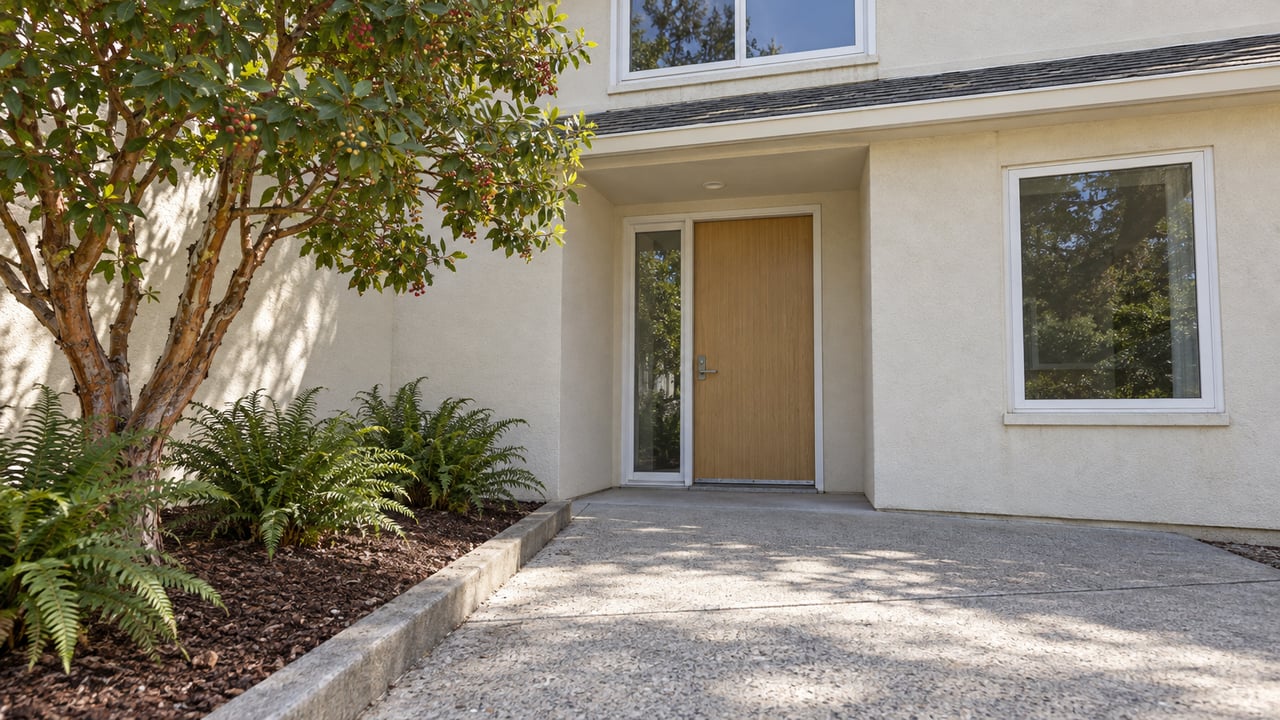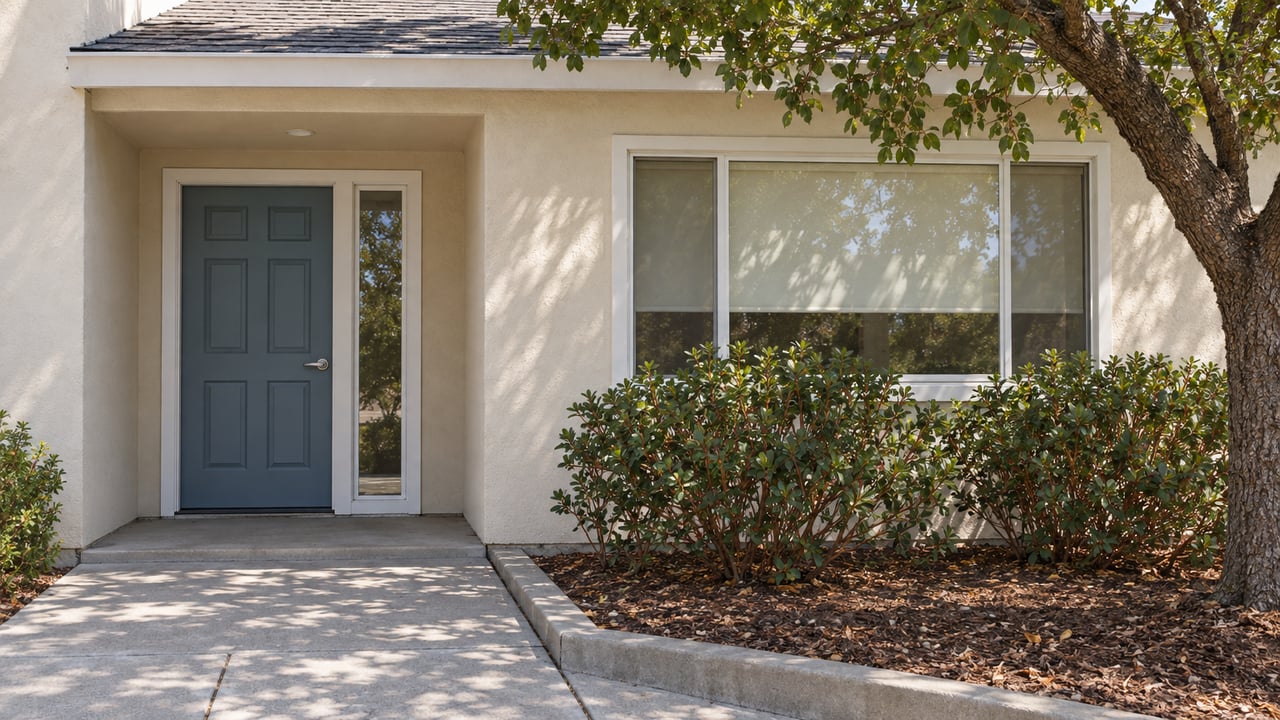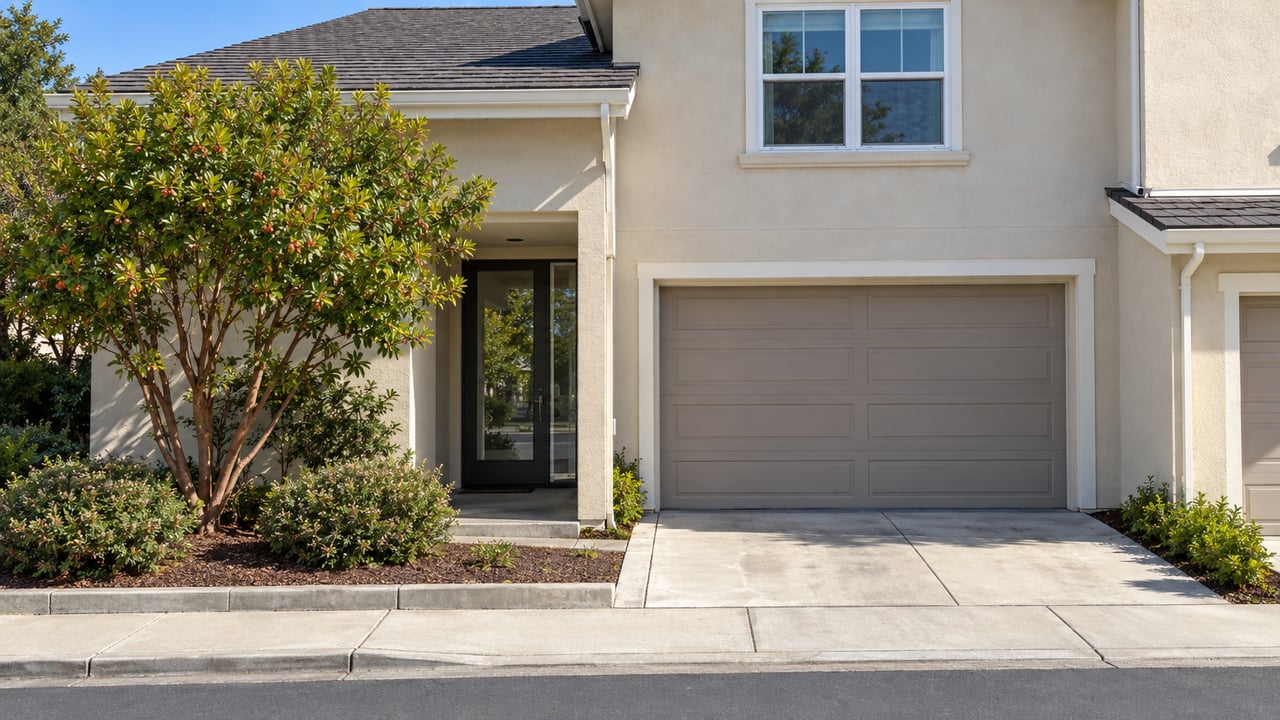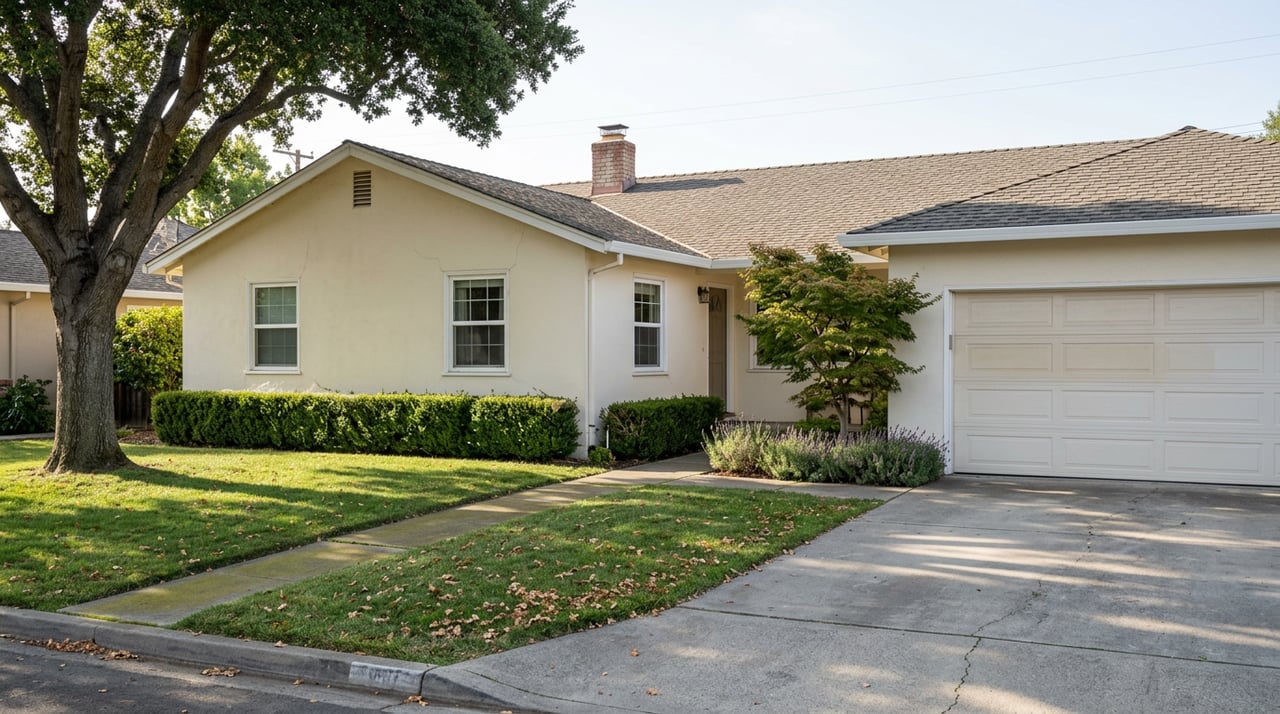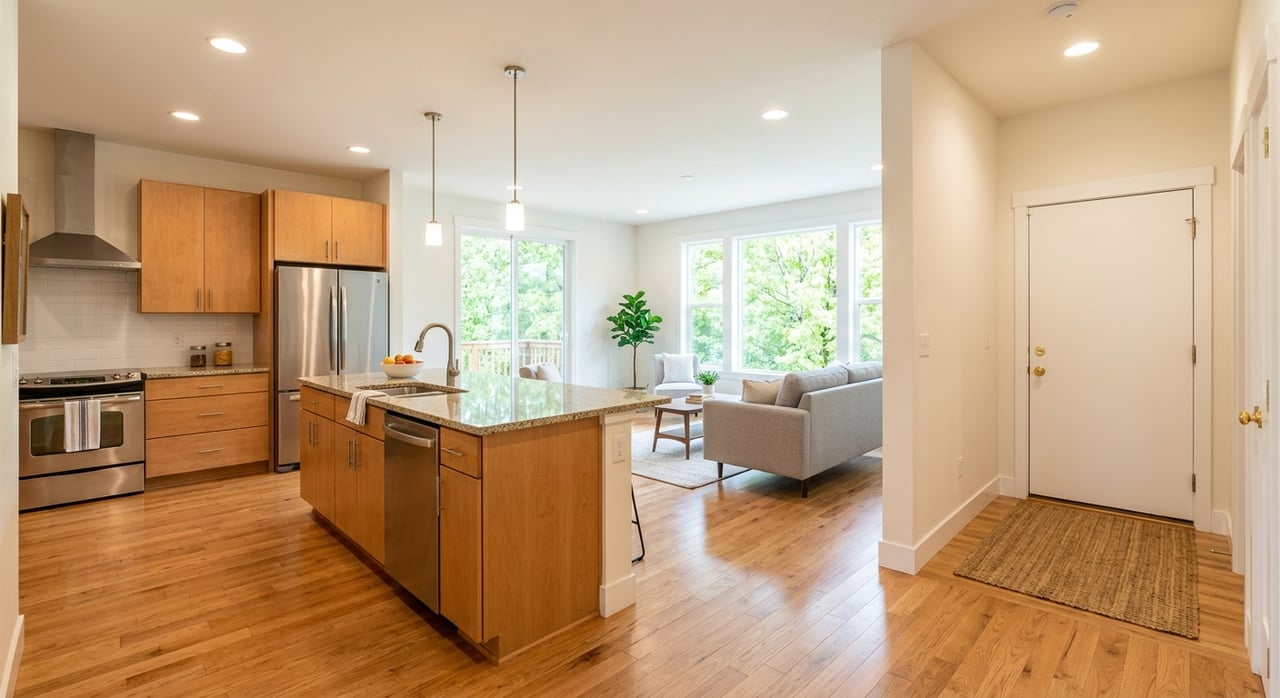
Selling your Lafayette home is not just about putting a sign in the yard. The work you do before listing can shape buyer interest, reduce last-minute surprises, and help your sale move more smoothly. If you want a practical plan that balances presentation, paperwork, and local fire-safety steps, this checklist will help you focus on what matters most. Let’s dive in.
Start With the Highest-Impact Tasks
Before you spend money on big upgrades, focus on the prep work that most often improves first impressions and helps avoid negotiation issues later. A smart pre-listing sequence is to schedule a pre-sale inspection, declutter, deep clean, estimate needed repairs or replacements, gather warranties and manuals, and improve curb appeal.
For many Lafayette sellers, this approach is more effective than jumping straight into a remodel. The goal is to make the home feel clean, cared for, and easy for buyers to understand. Visible defects and presentation problems usually deserve attention before optional cosmetic projects.
Schedule a pre-sale inspection
A pre-sale inspection can help you spot issues early, before a buyer does. That gives you more time to decide what to repair, what to disclose, and what to price into the sale.
This step can also make the rest of your checklist easier to prioritize. Once you know the home’s condition, you can focus your budget on the items most likely to affect buyer confidence.
Declutter and deep clean
Clean, open spaces tend to show better in person and in listing photos. Clear counters, remove extra furniture if needed, and wipe down visible surfaces so rooms feel larger and fresher.
If you are not sure where to start, begin with the kitchen, living room, bathrooms, and entry. These are the areas buyers notice quickly, and they often set the tone for the rest of the showing.
Fix obvious defects first
Small defects can create an outsized negative impression. Loose handles, chipped paint, burned-out light bulbs, stained caulk, and sticking doors may seem minor, but buyers often read them as signs of deferred maintenance.
Start with safety items, then move to repairs that are easy to see during a showing. In many cases, that gives you a better return than taking on a large elective project right before listing.
Focus on Staging That Adds Value
Staging does not have to mean furnishing every room from scratch. In fact, many sellers benefit most from a lighter approach that combines decluttering, minor updates, and strong photography.
National staging survey results show that staging helps buyers visualize a property as their future home. The same research also shows many sellers' agents do not stage every home and instead recommend decluttering or correcting property faults first.
Prioritize the most important rooms
If you are going to stage selectively, focus first on the living room, primary bedroom, and kitchen. These spaces tend to carry the most weight in buyer perception.
A dining room may also be worth attention if it is visible from the main living areas. Keep the look neutral, simple, and bright so buyers can focus on the space rather than your personal style.
Keep the budget practical
You usually do not need a full remodel to make a strong impression. For many sellers, the smarter investment is in cleaning, fresh paint, minor repairs, light staging, and professional photography.
That approach aligns with current staging trends and can help support both showing activity and online appeal. It also helps you avoid overspending on changes that may not shift buyer perception much.
Handle Lafayette Safety and Disclosure Items Early
In Lafayette, pre-listing prep should include more than looks. Local sellers should also plan ahead for disclosure requirements, smoke alarm and water heater certifications, and wildfire-related steps when applicable.
Starting these items early can reduce stress later. Some of them involve inspections, documents, or scheduling timelines that are easier to manage before your listing goes live.
Review California disclosure requirements
For most single-family residential transfers in California, the Transfer Disclosure Statement applies. The California Department of Real Estate describes it as a disclosure of property condition, not a warranty and not a substitute for inspections.
That matters because your prep work should support accurate, organized disclosure. Gathering records and understanding known conditions now can make that process cleaner later.
Check lead-based paint rules for older homes
If your home was built before 1978, federal law requires sellers to disclose known lead-based paint hazards, provide any available records, give buyers the lead hazard information pamphlet, and allow time for a lead inspection.
If this applies to your property, it is wise to locate any records early. That way, you are not scrambling for paperwork once you are under contract.
Confirm smoke alarm and water heater compliance
California requires an operable smoke alarm in a sold single-family dwelling, along with a written statement that the seller is in compliance. If the property has a water heater, the seller must also certify that it is braced or strapped against earthquake motion.
These are simple items, but they are easy to overlook. Checking them early is a quick way to avoid avoidable closing delays.
Prepare for Wildfire-Related Requirements
Wildfire prep can be especially important in Lafayette. The city is in the Contra Costa County Fire Protection District service area, and local fire-safety steps may become part of your sale timeline.
This is one of the biggest reasons Lafayette sellers should start pre-listing prep early. If your parcel needs inspection or follow-up work, you will want time to address it before closing pressure builds.
Know when AB38 may apply
Contra Costa Fire’s Wildfire Prevention Unit handles defensible space guidance and AB38 compliance inspections, including inspections related to property sales. If a property is in a High or Very High Fire Hazard Severity Zone, AB38 requires the seller to provide documentation that the parcel passed an inspection meeting the applicable standard.
If the property does not pass, Contra Costa Fire says the seller and buyer may instead enter a written agreement for the buyer to obtain compliance documentation within one year after closing escrow. Because the request process can take up to five working days before an inspection is scheduled, it is smart to begin this step as early as possible.
Tackle defensible space basics
CAL FIRE explains that Fire Hazard Severity Zone maps are based on factors such as fire history, fuel, slope, weather, and ember movement. In other words, the surroundings and topography around your home can matter as much as the structure itself.
As part of basic preparedness, CAL FIRE advises maintaining up to 100 feet of defensible space, keeping annual grass to four inches, and moving combustible materials away from the home. Even if your property is well maintained, a pre-listing review can help you catch items buyers or inspectors may notice.
Gather Permits and Property Records
Paperwork may not be glamorous, but it can save time and reduce buyer questions. In Lafayette, Contra Costa County provides building permit and inspection services, so county records are an important part of your pre-listing prep.
This step matters most if your home has had additions, converted areas, decks, retaining walls, drainage work, or other improvements. Buyers often ask about this work, and having records ready can make your listing feel more complete and transparent.
Check permit history early
Contra Costa County’s ePermits Center handles digital building, planning, and public works submittals. The county’s property research resources note that ePermits shows permit and application history from January 1, 1980, to the present, while some plans and other documents may require a separate records request.
If you think buyers may ask about past projects, do this research before listing. Records requests can take about 10 business days, so waiting until escrow may create unnecessary delays.
Watch for improvements that raise questions
Not every past project will need the same level of backup, but some improvements tend to invite more buyer scrutiny. Additions, converted spaces, decks, retaining walls, and drainage-related work are common examples.
Contra Costa County also notes that some projects require drainage plans, including certain larger impervious-surface projects, significant grading, slopes over 10 percent, flood or erosion areas, and retaining walls of 3 feet or more. If your property includes any of these features, having documentation ready can help you answer questions with confidence.
Assemble a seller document file
Create one place for the documents a buyer is most likely to request. Useful items include:
- Warranty booklets
- Appliance manuals
- Recent repair invoices
- Pre-sale inspection reports
- Permit records
- Replacement estimates for major items
This kind of file can make negotiations smoother because you are not trying to track down important details at the last minute.
Decide What Not to Do
One of the hardest parts of pre-listing prep is knowing when to stop. You want your home to show well, but you also want to avoid pouring money into projects that may not meaningfully improve your result.
For many Lafayette sellers, the best strategy is simple: fix what is broken, clean thoroughly, improve visual presentation, complete required safety and disclosure steps, and organize records. That creates a stronger listing without turning pre-sale prep into a renovation marathon.
Work From a Clear Timeline
If you are feeling overwhelmed, break the process into a simple order:
- Schedule a pre-sale inspection
- Declutter and deep clean
- Fix safety issues and visible defects
- Check smoke alarms and water heater bracing
- Review disclosure needs, including lead-based paint if applicable
- Start wildfire and AB38 research if your parcel may be affected
- Pull permit history and request records if needed
- Gather warranties, manuals, and invoices
- Stage key rooms and book photography
- Finalize pricing and go live
A calm, organized timeline helps you make better decisions. It also gives you more control over budget, scope, and listing readiness.
The right pre-listing plan is not about doing everything. It is about doing the right things in the right order for your home, your timeline, and your Lafayette location. If you want guidance on which updates are worth it, which records to gather, and how to prepare your home for a smoother sale, connect with the Aliloupour Real Estate Team.
FAQs
What should Lafayette home sellers fix before listing?
- Start with safety issues, obvious defects, and visible cosmetic problems such as damaged paint, faulty fixtures, stained surfaces, or items that make the home feel poorly maintained.
Do Lafayette home sellers need to remodel before listing?
- Usually not. Many sellers get better value from decluttering, deep cleaning, minor repairs, light staging, and strong photography than from taking on a major pre-sale remodel.
What wildfire steps should Lafayette home sellers check before selling?
- You should review defensible space conditions early and find out whether your property may need an AB38-related inspection or compliance documentation through Contra Costa Fire.
Where can Lafayette home sellers check permit history?
- Contra Costa County provides building permit and inspection services for Lafayette, and the county’s ePermits resources show permit and application history from 1980 forward, with some records available through separate requests.
What documents should Lafayette home sellers gather before listing?
- Helpful documents include warranty booklets, appliance manuals, repair invoices, inspection reports, permit records, and estimates for major replacements or repairs.