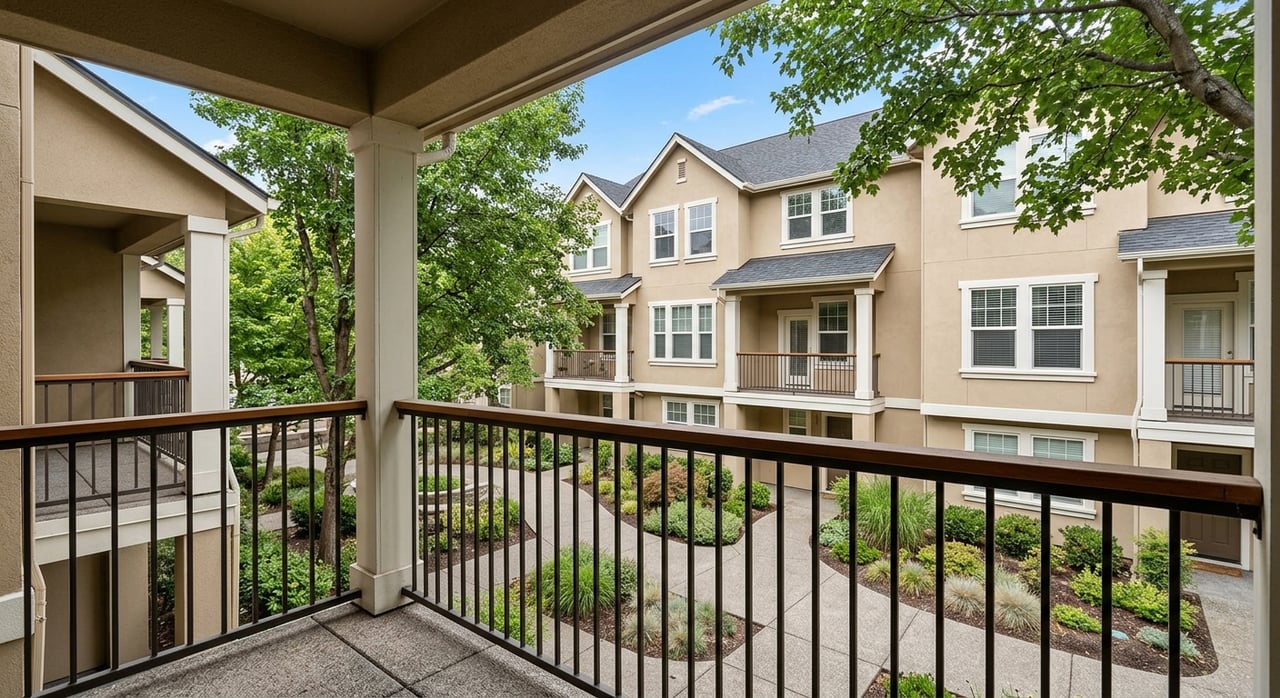
If you are thinking about life in San Ramon, you probably want more than a map pin and a list of home prices. You want to know what a normal Tuesday feels like, where you might grab dinner, how easy it is to get outside, and what your commute could look like. San Ramon stands out because it blends everyday convenience with open space and regional access. Let’s take a closer look at what daily life here can feel like.
What daily life in San Ramon feels like
San Ramon is in Contra Costa County’s Tri-Valley, about 35 miles east of San Francisco. The city combines residential neighborhoods with a major employment, shopping, and dining core centered around Bishop Ranch.
That mix shapes daily routines in a practical way. You can live in a suburban setting with rolling hills and preserved open space, while still having access to offices, restaurants, and errands close to home.
Parks are part of the routine
One of the clearest lifestyle advantages in San Ramon is how easy it is to build outdoor time into your week. The city lists 59 parks, and parks are generally open from dawn to dusk, with lighted fields and courts available until 10 p.m. when lights are active or a reservation is in place.
That matters if your schedule is full. It means parks are not just for occasional weekend visits. They can be part of an after-work walk, a quick evening tennis match, or time at the playground before dinner.
Central Park anchors community life
Central Park is one of San Ramon’s best-known green spaces. At 40.8 acres, it gives residents a large community park option for open-air time, casual outings, and group activities.
For many buyers, a park like this becomes a lifestyle marker. It gives you a sense of how a city supports day-to-day recreation, not just special events.
Athan Downs supports active schedules
Athan Downs covers 20 acres and includes an all-abilities playground, four baseball and softball fields, four soccer fields, four lighted tennis courts, a basketball court, and a volleyball court. That range of facilities makes it useful for households with different interests and ages.
If you like a city where activities are easy to plug into, this kind of park system can make a real difference. It supports movement, flexibility, and simple everyday convenience.
Rancho San Ramon adds play spaces
Rancho San Ramon Community Park spans 22.89 acres and includes a splash pad, lighted fields, picnic areas, and a playground. It has the feel of a larger sports-focused community park while still working well for a relaxed afternoon outing.
This is the kind of place that helps create rhythm in daily life. You can picture quick park stops, meetups, and outdoor breaks without needing a long drive.
Memorial Park brings variety
Memorial Park is 16.3 acres and includes a dog park, bocce, playground areas, picnic space, and water stations. That mix gives residents another flexible option for outdoor time.
When a city has multiple parks with different features, you are less likely to rely on one destination for everything. That variety helps support a more natural, lived-in routine.
Trails connect neighborhoods and errands
Parks are only part of the story. San Ramon’s trail network also shapes how people move through the city.
The Iron Horse Trail runs 4.5 miles through San Ramon as part of the larger regional corridor. City Center notes that the broader trail stretches from Pleasanton to Concord and is nearly 30 miles long.
The Iron Horse Trail supports daily movement
For many residents, the Iron Horse Trail is not just a weekend bike route. It can also support walking, jogging, and practical movement between parts of town.
That gives San Ramon a lifestyle edge for people who value outdoor access close to home. Even in a city that is largely suburban, trail access can make daily routines feel more connected.
Neighborhood trails add convenience
San Ramon’s trail map also highlights connectors like Alamo Creek Trail and Village Center Trail. These routes are designed for walking, jogging, biking, and stroller-friendly travel between homes, parks, and other everyday destinations.
In practical terms, that means some parts of San Ramon feel easier to navigate without getting in the car for every short trip. It does not make the city fully walkable, but it does create useful pockets of connection.
Dining centers around City Center Bishop Ranch
When people ask where San Ramon gathers, City Center Bishop Ranch is usually part of the answer. Located at 6000 Bollinger Canyon Road just off Interstate 680, it serves as the city’s main dining hub.
Its current dining directory includes more than twenty concepts. Options span Mediterranean, sushi, tea, Italian, brewery fare, coffee, steakhouse dining, udon, sandwiches and salads, Turkish food, ramen, gelato, Vietnamese food, ice cream, and more.
Why City Center matters day to day
A wide range of dining in one place changes how a city feels. Instead of a destination you save for rare occasions, City Center works for lunch meetings, dinner plans, coffee runs, and weekend outings.
That kind of concentration adds convenience. It also helps explain why so much of San Ramon’s social and commercial life centers around Bishop Ranch.
Easy access adds to convenience
City Center offers complimentary self-parking and valet. It also has bus access from Walnut Creek and Dublin BART through County Connection routes 96X, 97X, and 35, plus bike access through the Iron Horse Trail.
Those details matter because they show how shopping, dining, and commuting overlap here. In San Ramon, many daily needs can connect back to the same core area.
Commuting from San Ramon
Commute patterns are a big part of everyday life, especially for buyers comparing East Bay cities. San Ramon is built around the Interstate 680 corridor, and Bollinger Canyon Road is one of the main access points into the city core.
For many residents, driving remains part of the routine. At the same time, San Ramon does have meaningful transit connections that can widen your options.
BART connections help regional travel
The city says County Connection links San Ramon to the Dublin/Pleasanton and Walnut Creek BART stations. That creates a practical path for residents heading toward other parts of the East Bay.
If you commute toward places like Oakland, Berkeley, or Hayward, a common pattern is to connect by bus to BART and continue by rail. That setup is not the same as living in a transit-first city, but it does give you alternatives.
ACE adds another option
Route 92X connects the San Ramon Transit Center and Danville Sycamore Park & Ride to the Pleasanton ACE station. Depending on where you work, that can be a useful part of a broader commute strategy.
The city also points residents to 511 Contra Costa commute incentives. For some households, these programs can make transit or rideshare planning more practical.
San Ramon is suburban, but connected
The overall picture is fairly clear. San Ramon is mostly car-oriented, but it is not cut off from transit.
You will likely use a car for at least part of many trips. Still, bus links, BART connections, ACE access, and bike trail routes give residents more flexibility than a simple bedroom community label would suggest.
Is San Ramon walkable?
The honest answer is that walkability depends on where you are. The strongest walk and bike zones are around City Center, Bishop Ranch, and the trail corridors.
Outside those pockets, San Ramon reads more as a suburban city where driving is common. For many buyers, that balance actually fits their needs well. You get space, parks, and a scenic setting, with select areas that support more connected daily routines.
The lifestyle takeaway for buyers and sellers
If you are buying in San Ramon, everyday life here is often about balance. You get broad park access, useful trails, a concentrated dining center, and commuter options that can support Bay Area work patterns.
If you are selling, those same features help explain why San Ramon continues to attract attention from buyers looking for a practical East Bay lifestyle. People are not only shopping for square footage. They are also looking for a city where outdoor time, errands, dining, and commuting can fit together in a manageable way.
For many households, that is exactly where San Ramon stands out. It offers a suburban environment with scenic open space, but it also keeps key daily destinations and regional connections within reach.
If you are exploring a move to San Ramon or thinking about selling in the area, the Aliloupour Real Estate Team can help you understand how location, commute patterns, and neighborhood lifestyle fit your goals.
FAQs
What is everyday life in San Ramon like for residents?
- Everyday life in San Ramon often centers on suburban neighborhoods, city parks, trail access, dining at City Center Bishop Ranch, and commute routes tied to Interstate 680 and regional transit connections.
What parks in San Ramon are most useful for daily routines?
- Central Park, Athan Downs, Rancho San Ramon Community Park, and Memorial Park are notable options because they offer features like playgrounds, sports fields, picnic areas, a splash pad, dog park access, and lighted courts or fields.
What dining area in San Ramon do most people know best?
- City Center Bishop Ranch is San Ramon’s main dining hub, with more than twenty dining concepts and convenient access from Bollinger Canyon Road, transit routes, parking, and the Iron Horse Trail.
What commute options do San Ramon residents use to reach Oakland, Berkeley, or Hayward?
- Many residents use County Connection service to reach the Dublin/Pleasanton or Walnut Creek BART stations, then continue by rail into East Bay destinations.
Is San Ramon a walkable city for everyday errands?
- San Ramon is walkable in select pockets, especially near City Center, Bishop Ranch, and trail corridors, but much of the city remains suburban and car-oriented.
Why do buyers consider San Ramon for lifestyle as well as housing?
- Buyers often look at San Ramon because it combines parks, trails, open space, dining convenience, and flexible commute access in one Contra Costa County location.